 Australia
  Canada
  Ireland
  New Zealand
  Philippines
  United Kingdom
  United States
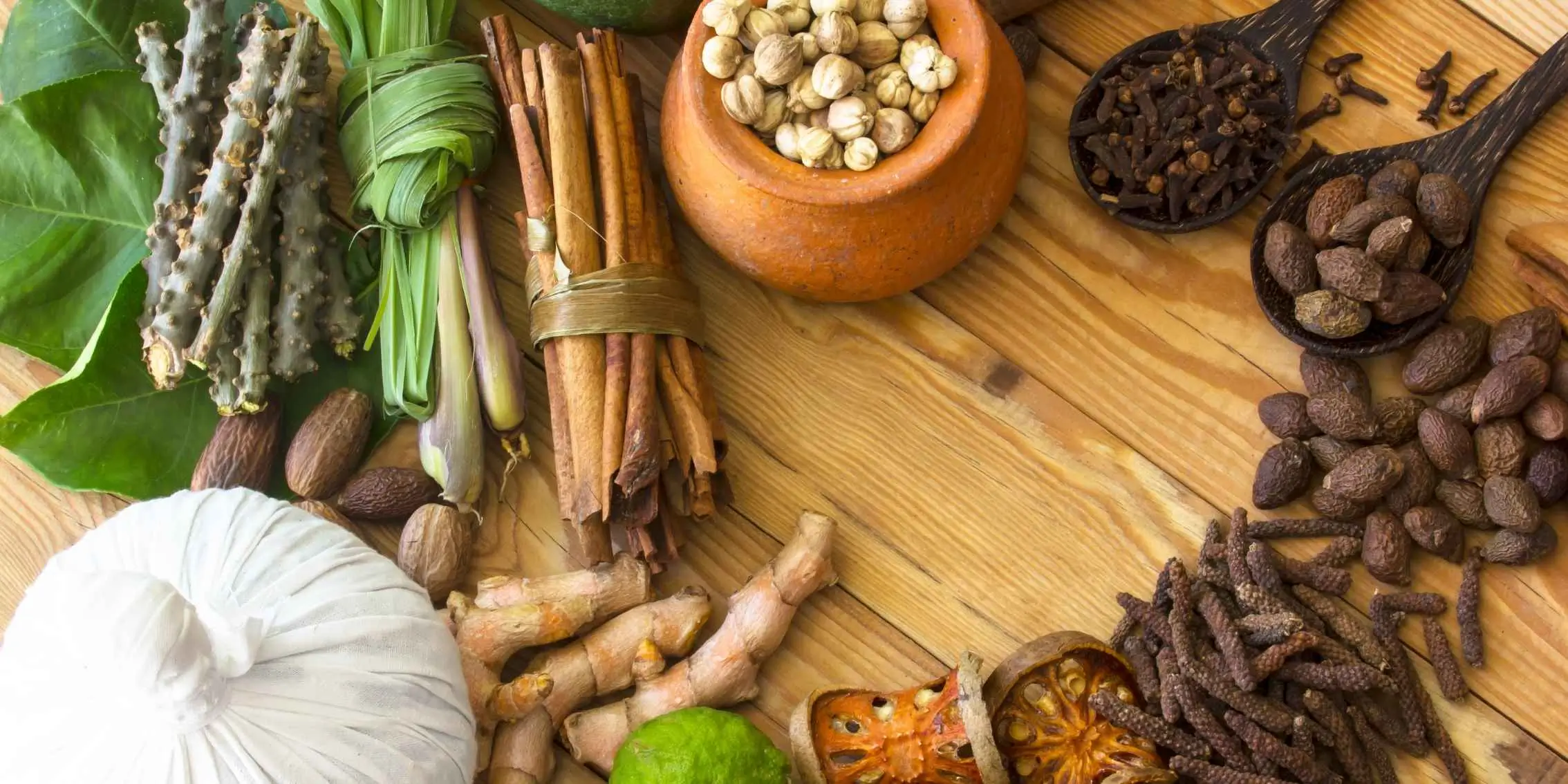
Are you tired of dealing with the unpredictable mood swings, intense cramps, and frustrating bloating every month? Finding reliable, evidence-backed advice on the best herbs for PMS can feel overwhelming, but natural support is absolutely possible. This guide offers natural help for PMS, including evidence, doses, and simple teas to target your symptoms, from emotional tension to physical discomfort.
In short...
Premenstrual Syndrome (PMS) happens in the weeks before your period because hormone levels, especially estrogen and progesterone, are changing. These shifts affect brain chemicals like serotonin, which regulate mood and emotions, leading to symptoms such as mood swings, anxiety, and premenstrual tension.
Herbs offer natural support because they contain compounds that can help steady your hormones, calm your nervous system to reduce irritability, and lower the inflammation that causes painful cramps. This multi-targeted approach provides gentle relief for both your mind and body, making herbs an effective way to manage PMS symptoms.
From anxiety to intense cramps, discover the 8 best herbs for PMS and mood swings. These natural remedies for premenstrual tension can help you to regain control and balance your cycle.
This hormone-balancing botanical acts on the pituitary gland, indirectly supporting the body’s own progesterone levels.
Best For: Emotional symptoms, severe cyclical breast tenderness, and irritability linked to hormonal imbalance.
Suggested Dose: Usually 20 mg to 40 mg of a standardised extract daily. Available as capsules or tinctures.
Supporting Research: A 2000 trial (Berger et al.) showed that women taking 20 mg of the extract daily for three cycles experienced a significant 42.5% reduction in overall PMS symptom scores.
Cautions: Not suitable during pregnancy. Possible interactions with hormonal medications (like birth control) and certain dopamine-related drugs. Always consult a healthcare provider first.
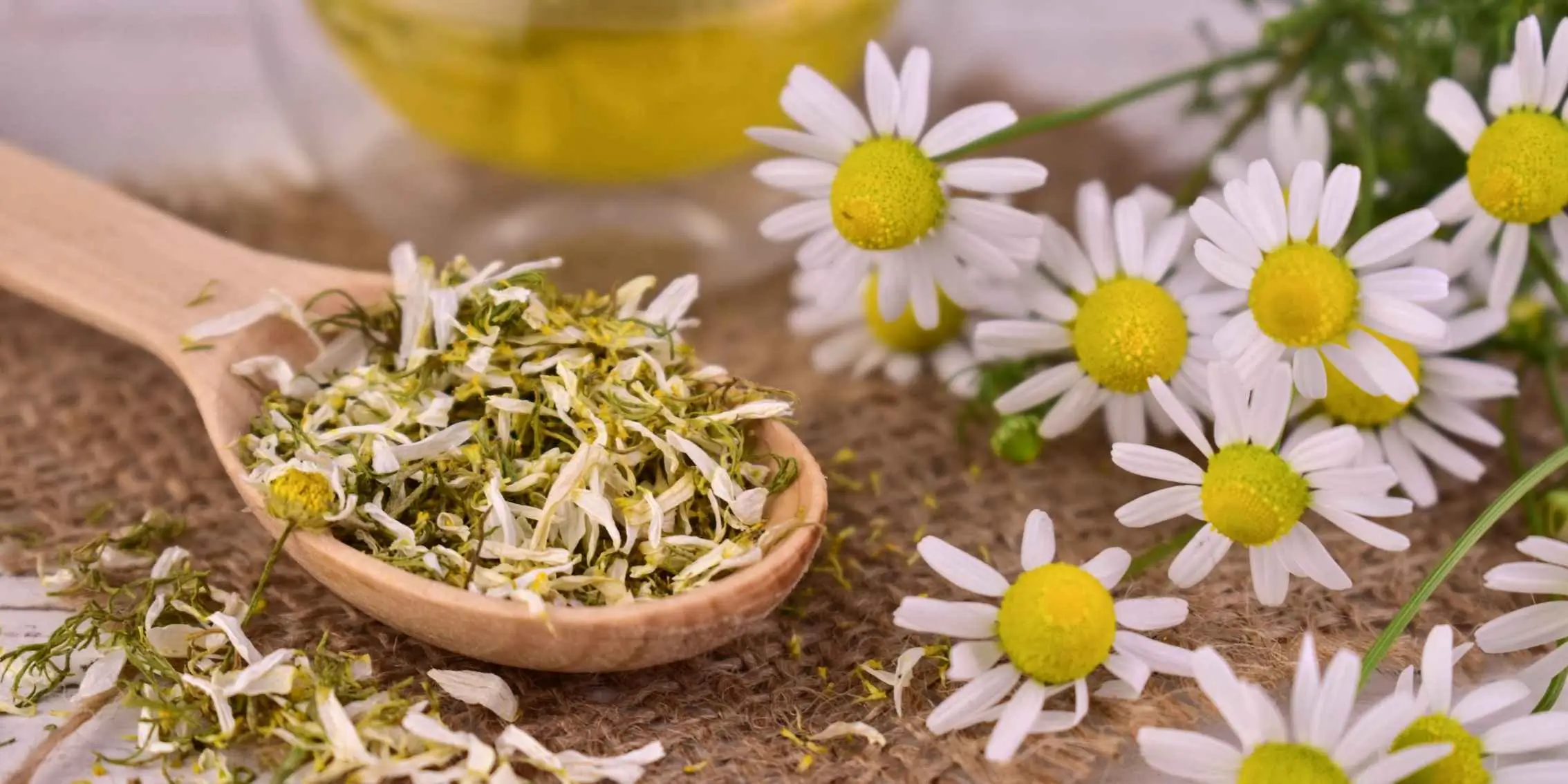
A popular calming herb for PMS. It’s known for its flavonoids and the compound apigenin, which interacts with receptors in the brain to promote relaxation.
Best For: Emotional symptoms (anxiety, irritability), sleep disturbances, and mild muscle cramps.
Suggested Dose: 1–2 cups of tea daily or 300–400 mg of a standardized extract daily.
Supporting Research: A 2014 randomised controlled trial (Sharifi et al.) found that chamomile extract was significantly more effective than the anti-inflammatory drug mefenamic acid in reducing the overall severity of PMS symptoms, particularly emotional distress.
Cautions: Generally considered safe, but those with allergies to the daisy family (ragweed, marigolds) should use caution. May cause mild drowsiness.
A powerful root known for its active compounds (gingerols and shogaols) that act as potent natural anti-inflammatories.
Best For: Intense menstrual cramps, nausea, and general digestive upset or inflammation during PMS.
Suggested Dose: 500 mg to 1,000 mg of powdered extract daily, or consumed as fresh ginger tea.
Supporting Research: A 2015 meta-analysis (Zhang et al.) reviewing multiple trials found that Ginger's pain-relieving effect on menstrual cramps was similar to that of standard NSAIDs (anti-inflammatory drugs) and significantly superior to placebo.
Cautions: Generally safe, but very high doses may interact with blood-thinning medications. Start with a lower dose if you have a sensitive stomach.
A powerful anti-inflammatory duo. Turmeric (Curcumin) and Boswellia work together to block the chemical pathways that create pain and swelling in the pelvic area.
Best For: Moderate-to-severe cramps and general pelvic inflammation linked to PMS and your period.
Suggested Dose: Typically taken as a combined formula in a dose of 300–500 mg of Turmeric and 100–250 mg of Boswellia.
Supporting Research: In a 2023 trial (Agarwal and Chaudhary) on a combination formula, participants reported 73% “excellent” symptom relief and pain reduction scores that were over 12 times better than placebo.
Cautions: Both herbs can have mild blood-thinning properties. If you are taking any blood-thinning medications, you must discuss this combination with your healthcare provider first.
This oil is packed with GLA (Gamma-Linolenic Acid), a vital fatty acid. Think of it as supplying your body with the building blocks it needs to create its own internal calming signals (prostaglandins) that help reduce sensitivity to hormonal shifts.
Best For: Severe cyclical breast tenderness and pain (mastalgia). It also works well to settle hormone-related irritability and overall PMS psychological symptoms.
Suggested Dose: Aim for around 1,500mg daily. Aim to take it consistently for 3 to 4 months to notice the biggest benefits, as it takes time to build up in your system.
Supporting Research: A 2019 review (Mahboubi et al) highlighted that women taking EPO saw their overall PMS severity scores reduce significantly compared to placebo. For cyclical breast pain, a prospective clinical trial reported response rates as high as 97% after 6 months of use, making it highly effective for mastalgia.
Cautions: Generally safe. Just be aware that it might cause minor stomach upset, and you should check with a health professional if you take blood-thinning medication.
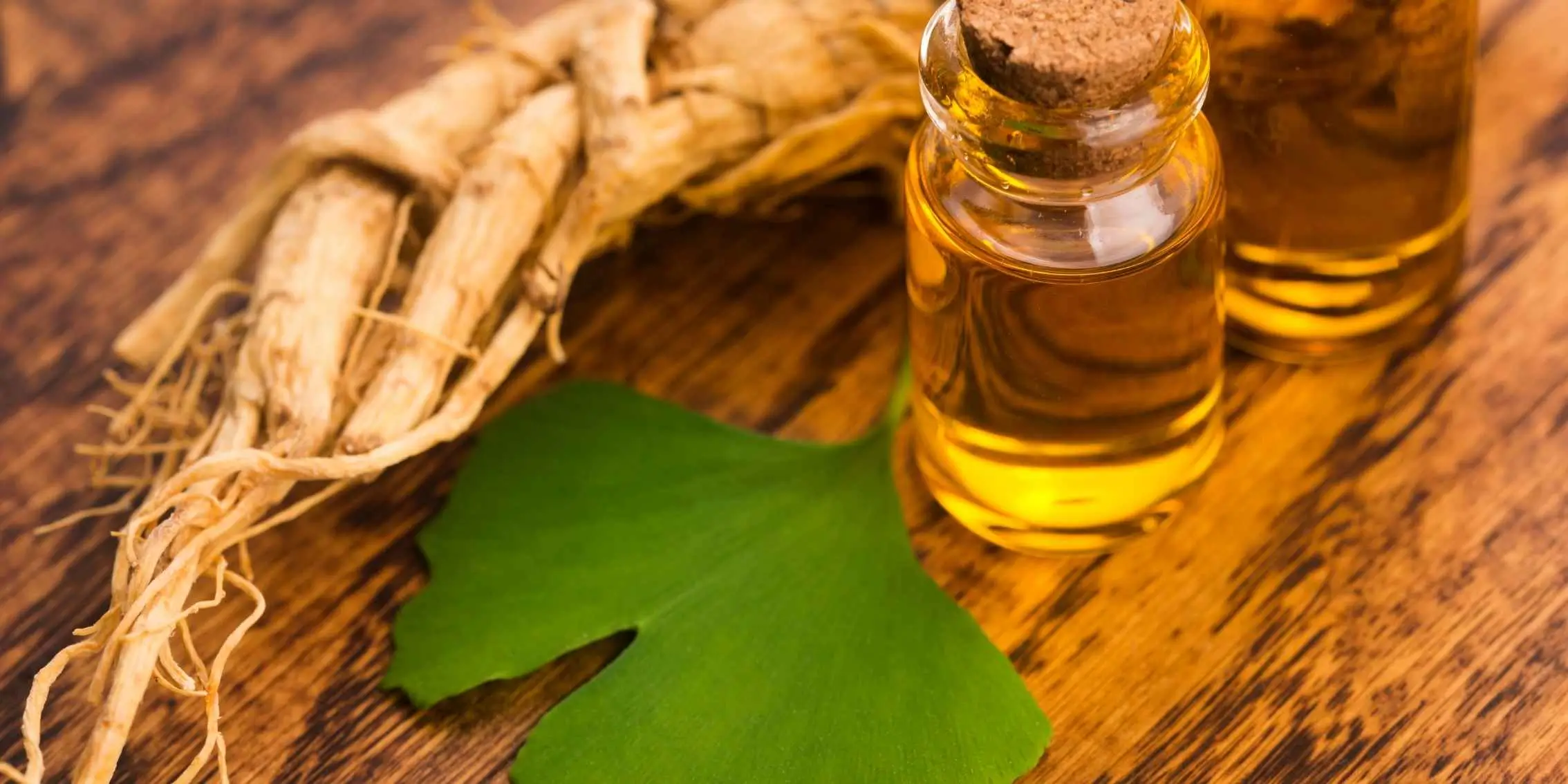
While often used for memory, this mighty herb's PMS benefit comes from being a brilliant circulatory booster. It helps improve blood flow and acts as a strong antioxidant.
Best For: Easing those puffy, water-logged symptoms like bloating and breast tenderness, and generally calming down mood disturbances and irritability.
Suggested Dose: Around 120 mg daily. To be most effective, try a cyclical approach: start taking it mid-cycle (Day 16) and continue until your period starts (Day 5).
Supporting Research: A 2009 trial (Ozgoli et al.) showed the Ginkgo group achieved a highly significant 23.68% reduction in overall PMS symptom severity.
Cautions: Because it mildly promotes circulation, avoid this herb if you are taking blood thinners unless your doctor gives the green light.
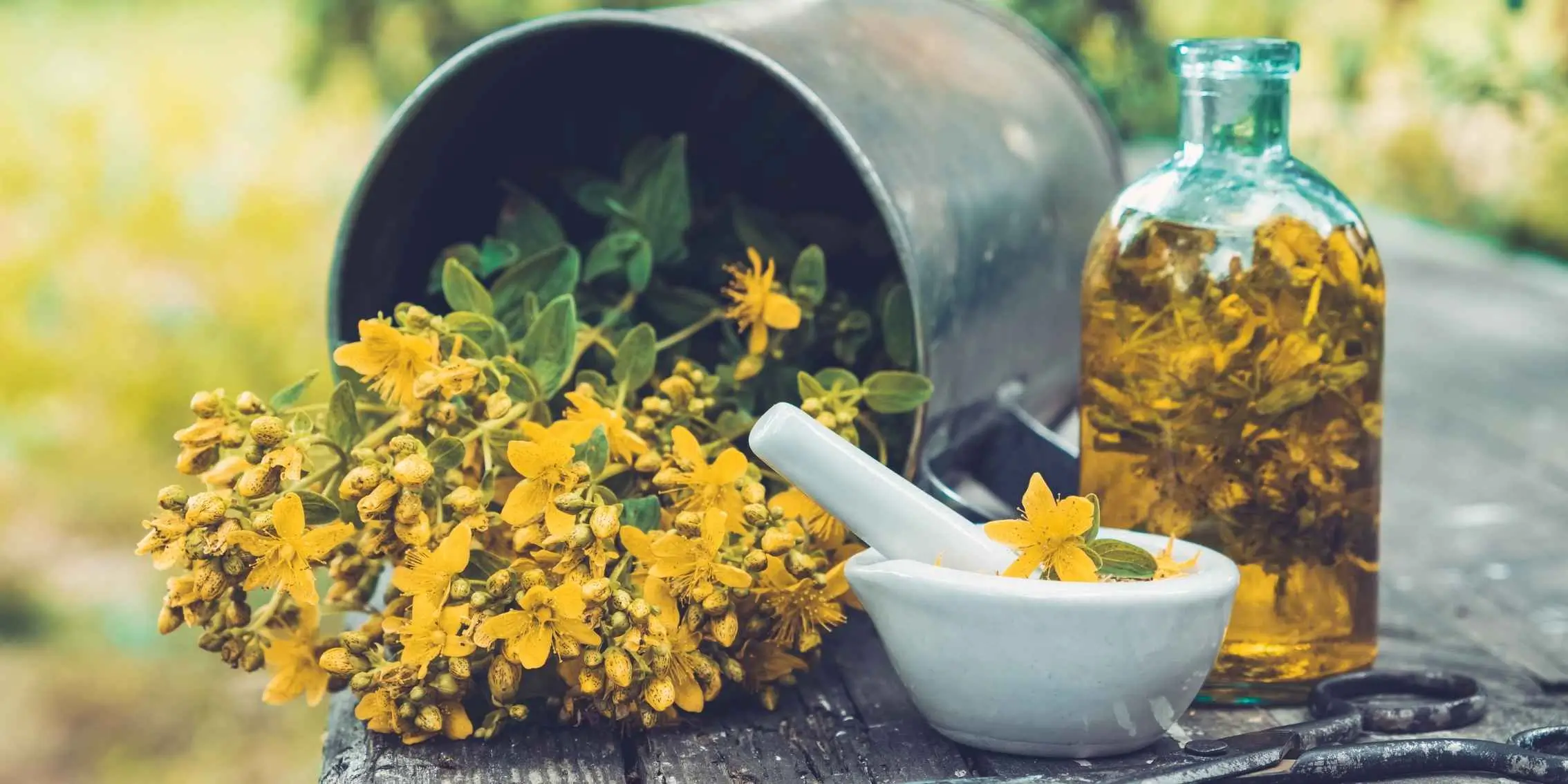
A powerful botanical famous for its impact on mood. It primarily works by influencing neurotransmitters in the brain, which can help stabilise mood fluctuations common during PMS.
Best For: Low mood, sadness, and mild anxiety. Research also suggests it's effective at reducing physical symptoms like breast tenderness and cramps.
Suggested Dose: 300 mg taken twice daily. Note that like most mood-supporting treatments, you need to use it consistently for several weeks before feeling the full effect.
Supporting Research: A 2000 clinical trial (Stevinson et al.) found that St. John's Wort was superior to placebo in reducing overall PMS symptoms.
Cautions: Do not take this herb if you are on hormonal birth control or certain antidepressants like SSRIs. St. John's Wort can reduce the effectiveness of these medications. Always consult your healthcare provider first.
A popular herb for PMS in Traditional Chinese Medicine. It’s used to balance hormones and support estrogen and progesterone receptors.
Best For: Relieving premenstrual tension, stress, and mood swings. You'll usually find this one tucked into a multi-herb blend, as it works best as part of a team.
Suggested Dose: There is no single capsule dose for this herb. Look for it as an ingredient in a tea, tincture, or combination capsule and follow directions.
Supporting Research: A 2018 study (Wu et al.) confirmed that its compounds can positively influence hormone receptors, supporting its traditional use for reproductive balance.
Cautions: Since it's often complex, it's smart to chat with an herbalist or TCM practitioner when using Cuscuta chinensis to ensure you get the right formula.
When PMS hits, sometimes the fastest way to feel better is to settle in with a warm mug. Here are the best teas for menstrual cramps, bloating, and mood swings, giving you easy, at-home relief.
How Often to Drink: Aim for 1 to 3 cups daily during your symptomatic phase. For best results, start sipping a week before your expected period.
Best Brew: Use loose leaf or high-quality bags. Steep for a full 5-10 minutes (especially ginger and turmeric) to extract the most medicinal benefit.
Safety Note: If you’re pregnant or taking any prescription medication (especially blood thinners or mood stabilisers), always consult your healthcare provider before introducing any new herbal tea for PMS into your routine.
Herbal medicine and self-care are most effective when approached with intention and context. If this guide sparked your curiosity, there’s plenty more to explore on the path to hormonal health.
Ready to dive deeper and create a blueprint for long-term wellbeing? Explore The Nutrition Institute’s online nutrition course and download your free course guide today.
This post was created by the team at The Nutrition Institute and supported by our team of professional expert tutors. Meet Kassandra Kaleda, one of our expert student guides below:

Tutor at The Nutrition Institute
Accredited with a Bachelor of Food Science and Nutrition, Kassandra is a passionate Nutritionist and Health Coach who dedicates herself to supporting people to thrive in health, without sacrificing their love of food.
Published:


©2026 The Nutrition Institute. All rights reserved.