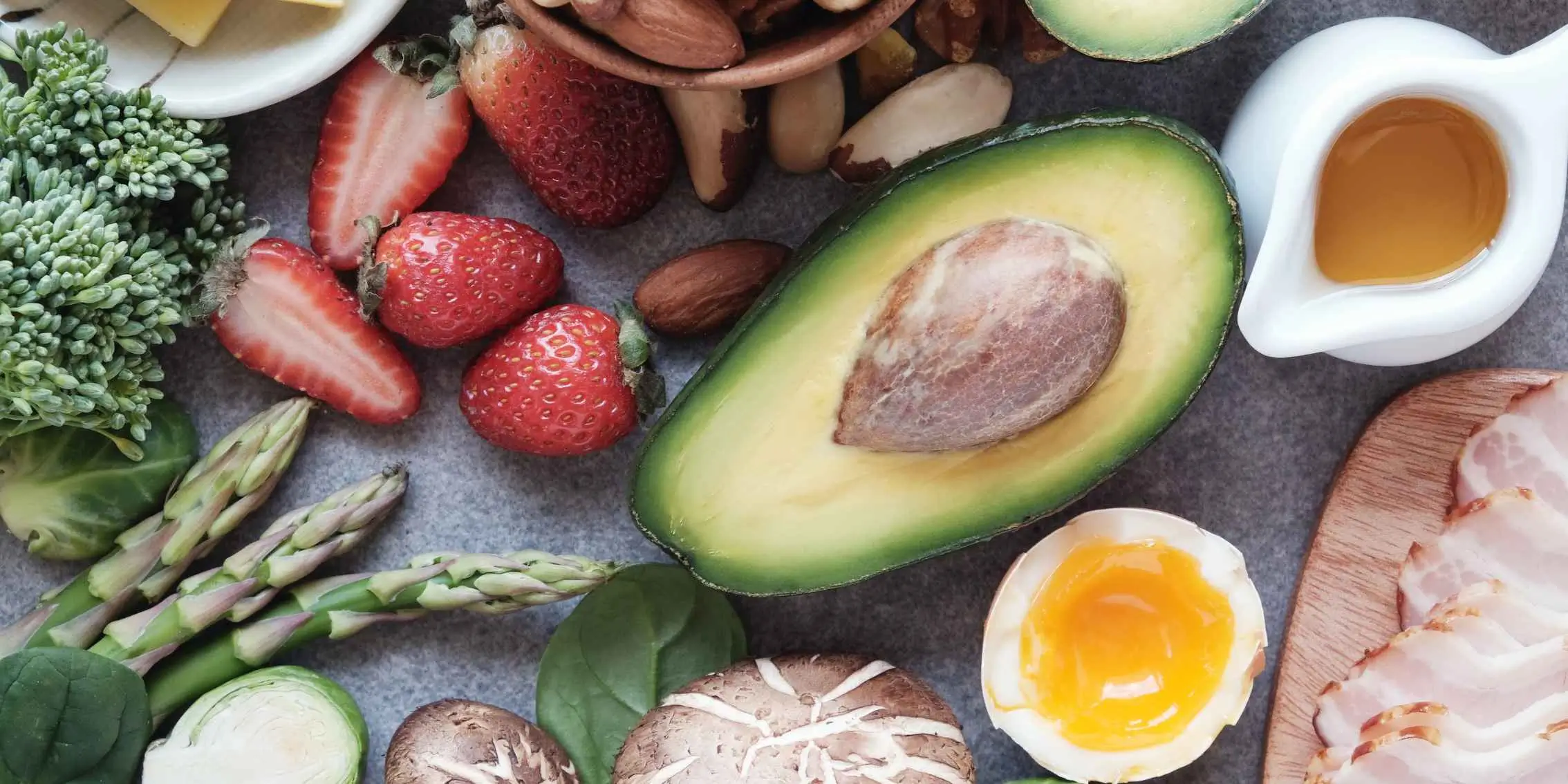
The toughest part of managing weight is the constant feeling of hunger and the mental drain of food deprivation.
But you should never have to starve yourself to succeed.
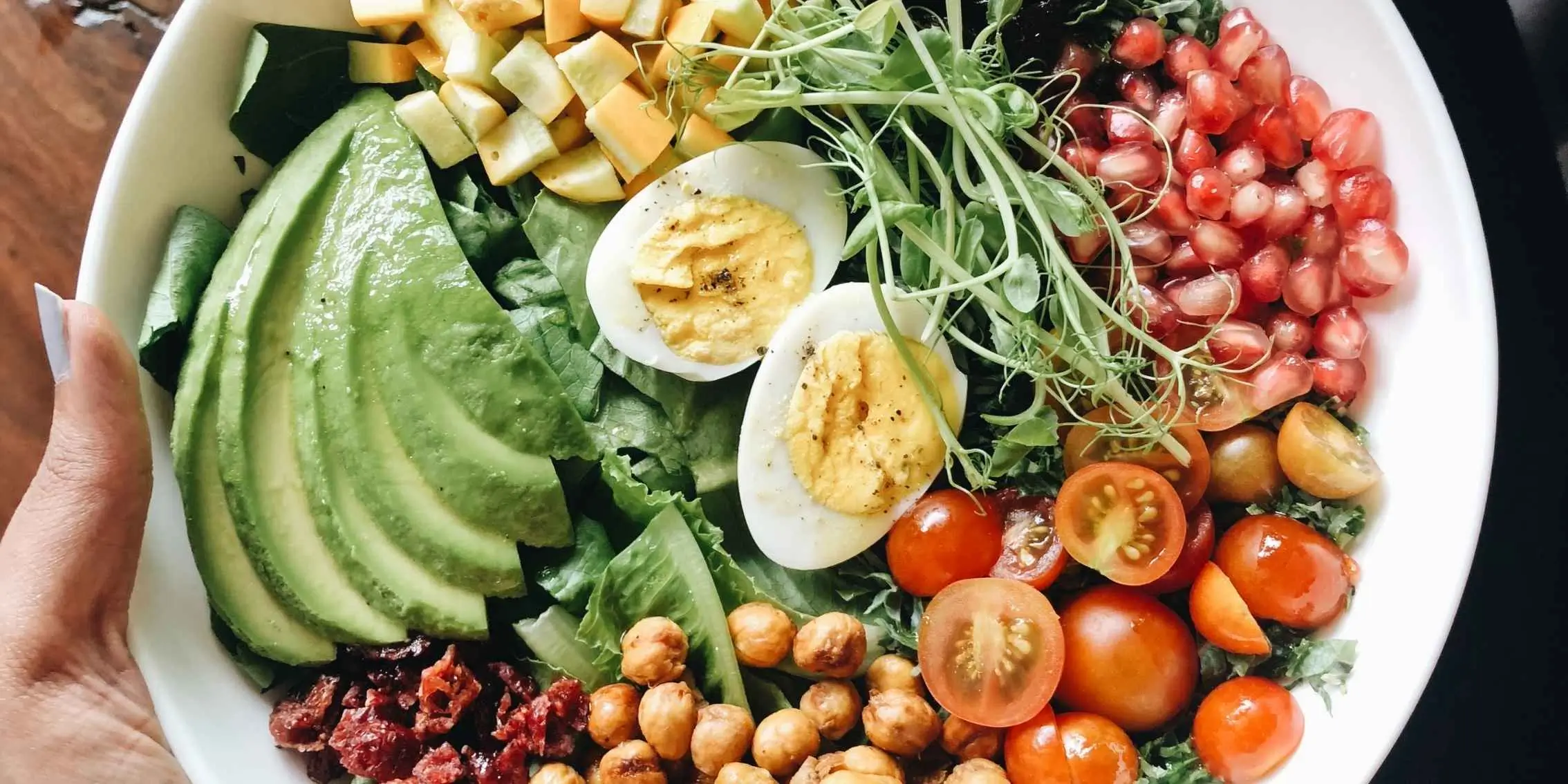
The solution lies in incorporating high-volume, low-calorie foods, which allow you to eat much larger portions.
In this article, The Nutrition Institute tutors share practical meal planning ideas and low-calorie snacks for a sustainable and enjoyable path to wellness.
In short...
High-volume eating maximises portions of foods rich in water and fibre (like vegetables and soups) to physically fill your stomach using fewer calories.
Sustainability is key. High-volume, low-calorie foods help you feel full, allowing you to manage your weight without suffering from constant hunger.
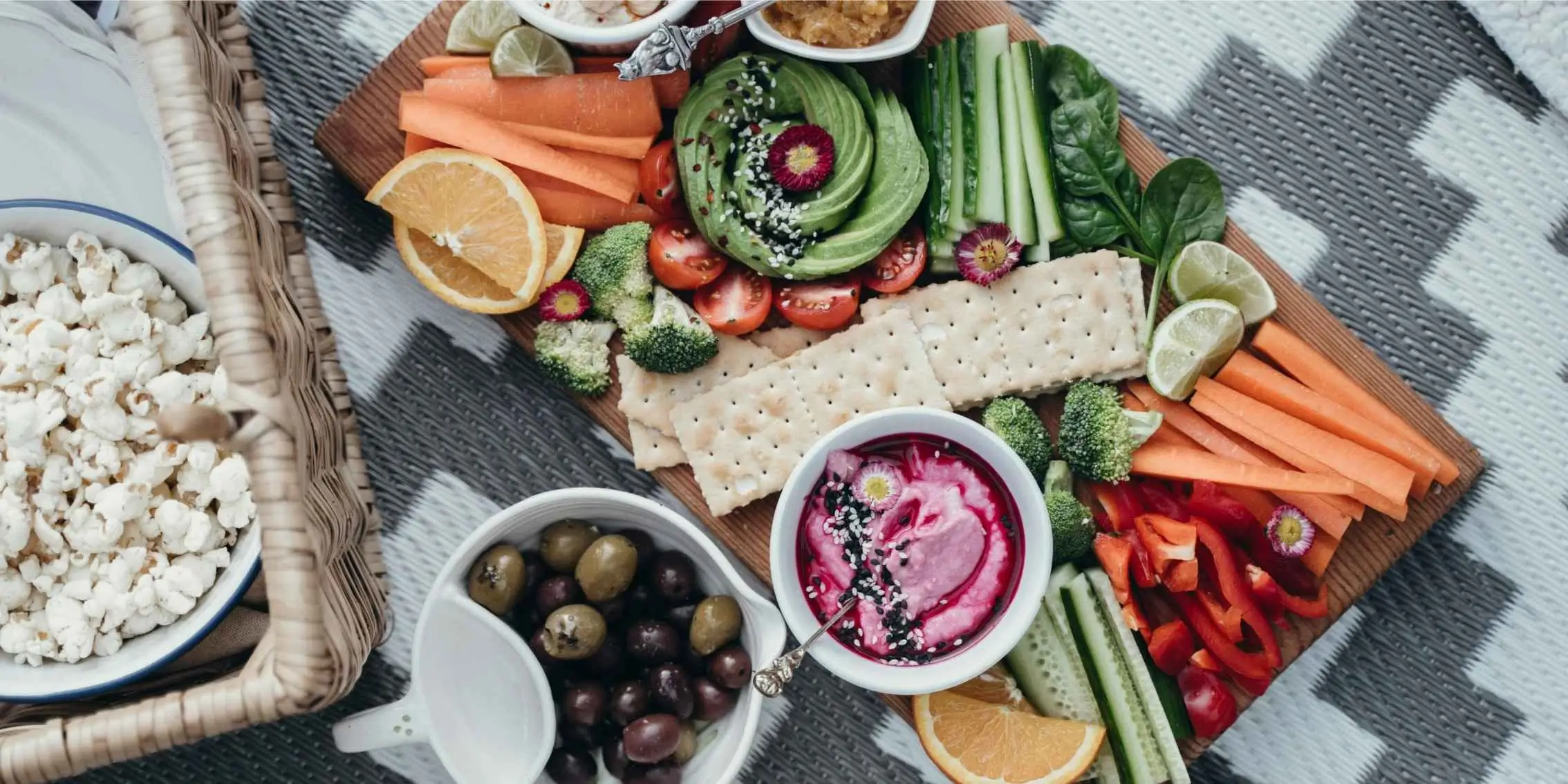
Incorporate high-volume, low-calorie snacks (like popcorn or fruit) with a small amount of protein or healthy fat to prolong satiety and maintain energy.
Health Disclaimer:
If you have pre-existing conditions (such as blood sugar issues), are pregnant, or are taking medication, consult a healthcare professional before starting.
What is High-Volume, Low-Calorie Eating?
High-volume, low-calorie eating is an evidence-based strategy that focuses on maximising the amount of food you eat without increasing calories.
The key concept is energy density — the number of calories per gram of food.
High-volume, low-calorie foods are naturally high in water and
fibre,
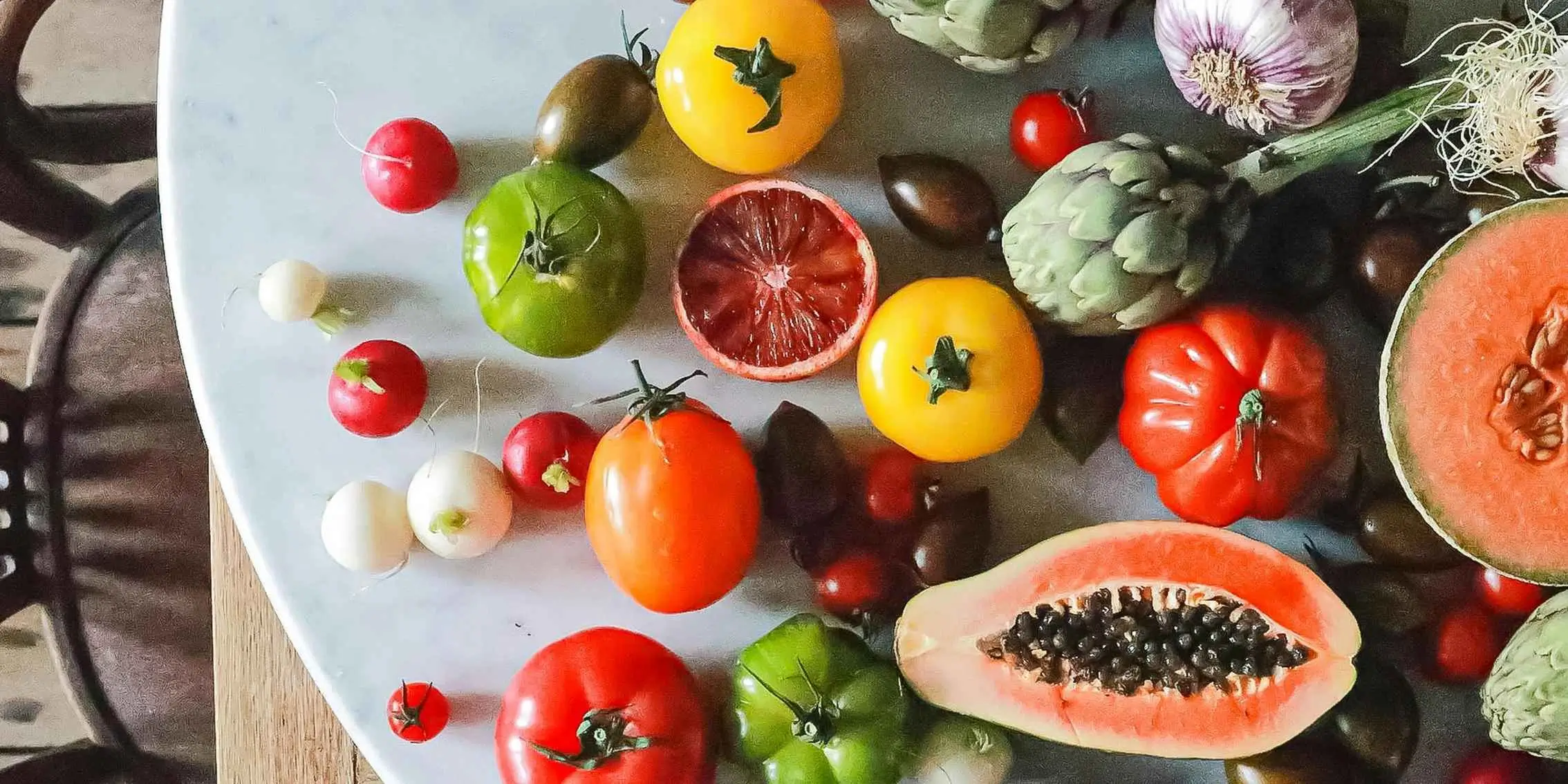
such as fruits, vegetables, and broth-based soups.
Because they take up more space in the stomach, they trigger fullness signals faster and for longer.
What is the Volumetrics Diet?
This concept was
formalised
by nutritional scientist Dr. Barbara Rolls.
Her research demonstrated that people tend to eat a consistent volume of food each day.
By prioritising low-energy-dense foods, the Volumetrics Diet naturally reduces calorie intake while preserving satiety.
A 12-week trial (Cloos et al.) found participants reduced body weight and fat mass while preserving lean muscle.
4 Benefits of High-Volume, Low-Calorie Foods
High-volume, low-calorie foods
maximise
fullness and nutrient intake without strict portion control.
Sustained Satiety: Physically fills the stomach with fewer calories.
Effective Weight Management: Lowers dietary energy density.
Enhanced Digestion: High
fibre
supports gut health and bowel regularity.
Maximum Nutrient Density: Rich in vitamins, minerals, and antioxidants.
7-Day High-Volume, Low-Calorie Meal Plan
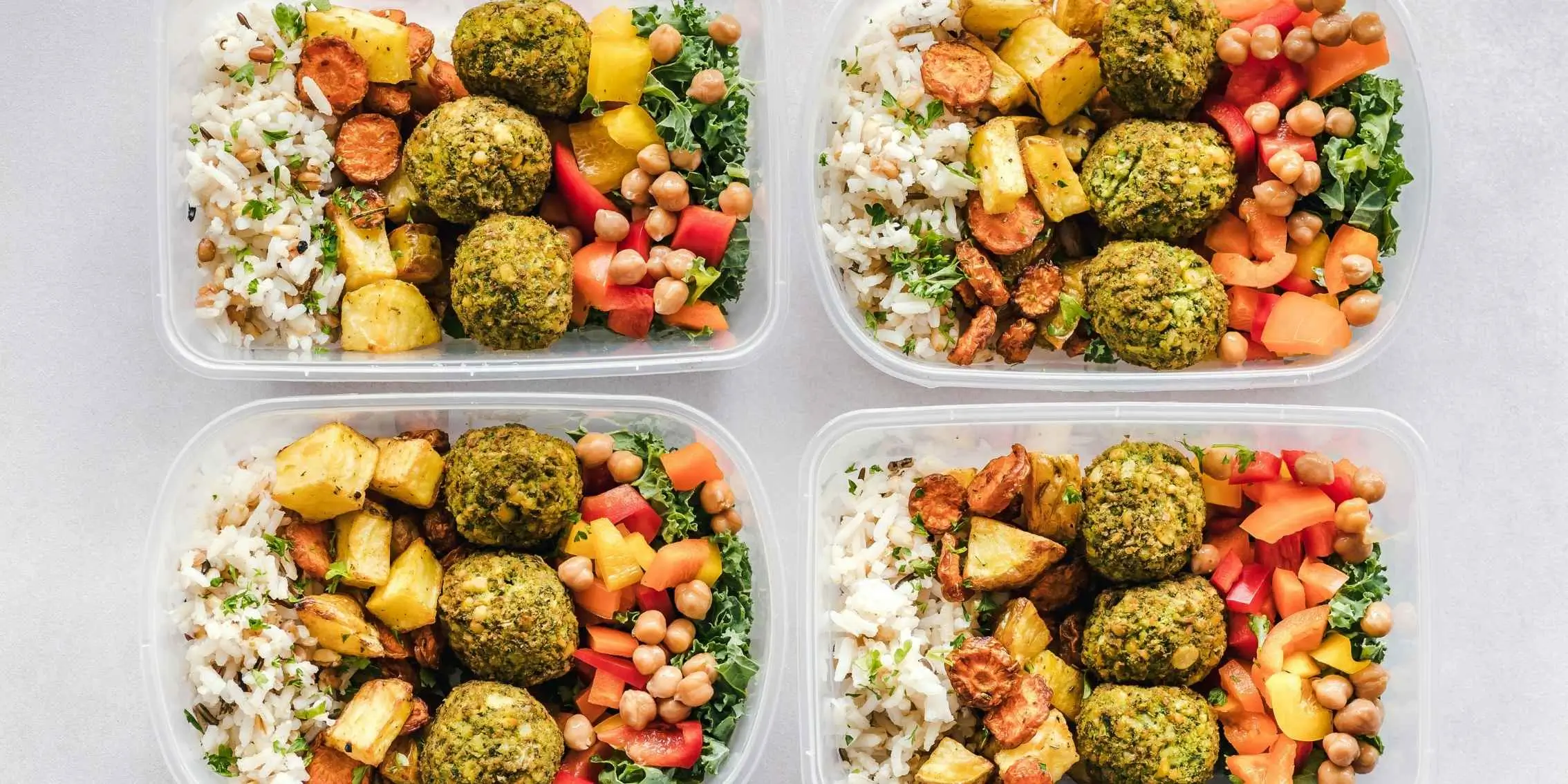
This plan adjusts fuel based on activity.
Active days include more whole grains.
Rest days
maximise
volume from vegetables and broth-based meals.
Day 1: High-Carb Active Day
Breakfast: Oatmeal with skim milk, banana, blueberries
Snack: Carrot sticks with hummus
Lunch: Grilled chicken wrap with leafy greens and yogurt dressing
The biggest mistake is relying on processed “diet” foods.
These often lack the water and
fibre
needed for real satiety.
Skipping meals and neglecting protein or healthy fats also leads to rebound hunger.
Continue Your Journey with an Online Nutrition Course
Confidence comes from understanding the science.
Our online nutrition course breaks down appetite regulation, energy density, hydration, and fats in depth.
This post was created by the team at The Nutrition Institute and supported by our team of professional expert tutors. Meet Kim Malcolm, author of our course and one of our expert student guides below:
Kim Malcolm
Author & Tutor at The Nutrition Institute
A certified nutritionist and global food-as-medicine expert, Kim has an extensive background in private consulting, public speaking, recipe development, and culinary coaching for both individuals and professional kitchens.


 Australia
  Canada
  Ireland
  New Zealand
  Philippines
  United Kingdom
  United States