 Australia
  Canada
  Ireland
  New Zealand
  Philippines
  United Kingdom
  United States
If you’re a woman between the ages of 40 and 50, you might be navigating a period of hormonal shifts that can feel confusing and overwhelming. Perimenopause often brings frustrating symptoms like unpredictable periods, night sweats, mood swings, and anxiety. But natural and holistic support is possible.
While a solid perimenopause diet and nutrition plan is the foundation of well-being, the right perimenopause supplements can provide real support. These targeted nutrients and botanicals work synergistically with your body to stabilise the hormonal rollercoaster and offer relief where you need it most.
This guide shares 7 of the best perimenopause supplements and vitamins that can help you reclaim balance and vitality during this phase of life.

In short...
Medical Disclaimer: Always consult with a qualified healthcare provider, such as your doctor or a registered dietitian, before beginning any new supplement regimen.
The Nutrition Institute is passionate about empowering women with nutritional knowledge. Our online Nutrition course translates the expertise of our tutors into actionable, science-backed strategies.

This powerful hormone-modulating botanical is derived from the roots of the North American black cohosh plant. It’s long been valued in traditional medicine and women’s health.
Ideal For: Women whose primary concern is the frequency and intensity of hot flashes and night sweats.
Benefits: Supports hormonal balance and is renowned for its ability to alleviate common vasomotor symptoms like hot flashes and night sweats. It may also provide relief from mood swings and anxiety that often accompany hormonal shifts.
Dosage: Dosages typically range from 20mg to 40mg of standardised extract per day. Consistency is key, as effects may take several weeks to appear.
Research: A 2013 placebo-controlled trial (Charandabi et al.) found that 84 women taking 6.5 mg of Black Cohosh extract daily for 8 weeks saw a significant reduction in menopausal symptoms. By the end of the study, the Black Cohosh group showed an adjusted average symptom score improvement that was 12.9 points better than the placebo group in alleviating hot flashes and mood swings.
A potent clover plant containing phytoestrogens called isoflavones (primarily genistein and daidzein). These compounds have a similar chemical structure to human estrogen.
Ideal For: Women who struggle with general estrogen-related symptoms and seek comprehensive plant-based support.
Benefits: Known to support hormonal balance and ease a wide array of menopausal symptoms, including hot flashes, night sweats, and potentially supporting cardiovascular health.
Dosage: Standard extracts often recommend 40mg to 80mg of isoflavones daily. Available in capsule, liquid extract, or dried tea form.
Research: A 2017 randomised, placebo-controlled trial (Lambert et al.) investigated a bioavailable Red Clover extract (34 mg/day) combined with probiotics over 12 weeks in perimenopausal women. The results showed a significant and measurable reduction in vasomotor symptoms. Participants saw a 23.05% drop in hot flush frequency and a 39.84% decrease in hot flush intensity compared to the placebo.
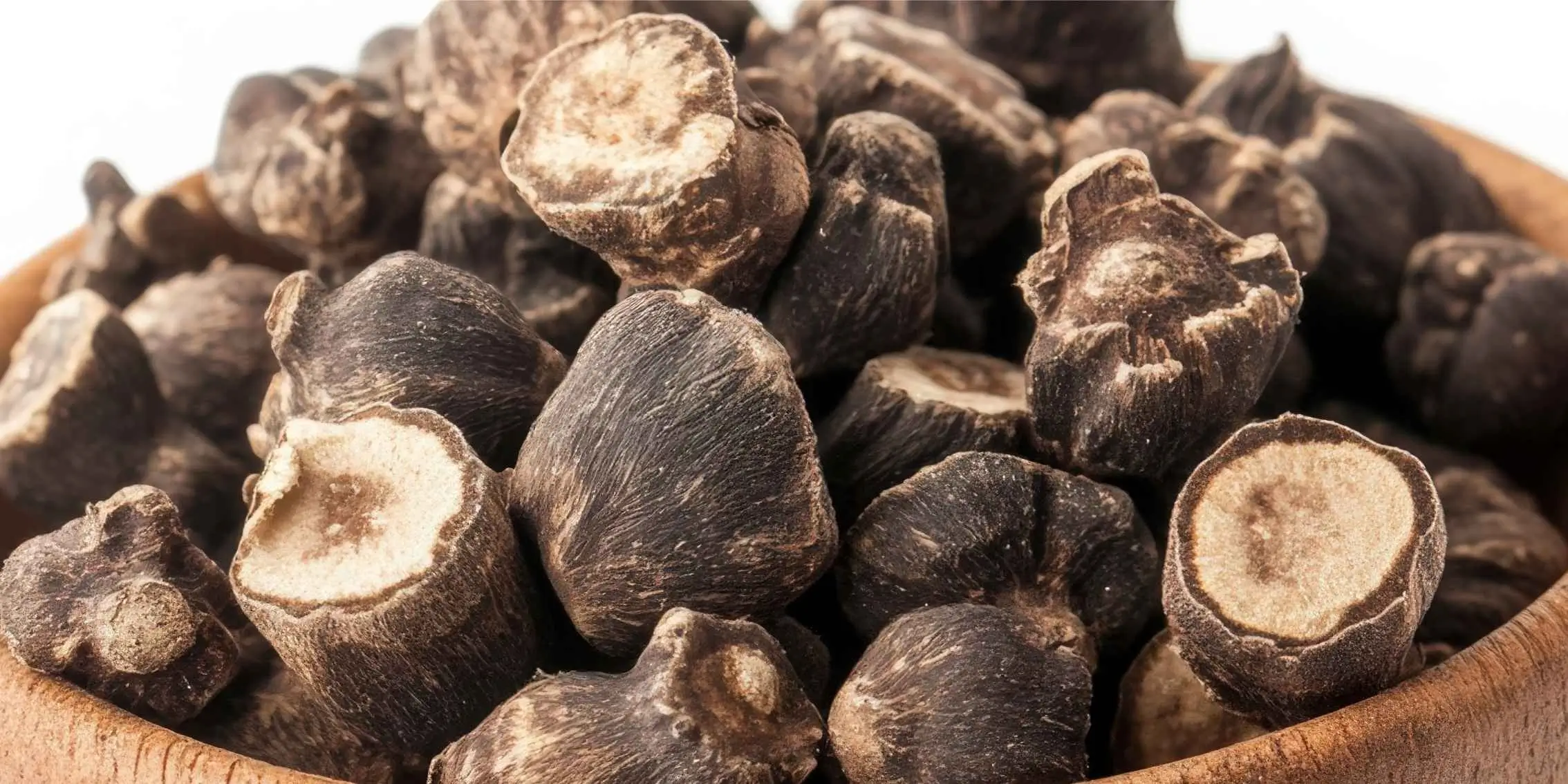
A nutritious Peruvian root vegetable, Maca is categorised as an adaptogen, meaning it’s a plant that helps the body naturally adapt to stress. It supports the endocrine system without containing hormones itself.
Ideal For: Women needing a boost in energy, mood balance, and resilience against stress.
Benefits: May significantly reduce hot flashes, improve mood, and boost energy levels. Many women find it helps restore a sense of focus and vitality, countering the sluggishness of perimenopause.
Dosage: Maca is typically consumed as a powder, starting with 1.5g and working up to 3g daily, mixed into smoothies or coffee.
Research: A 2006 double-blind, placebo-controlled crossover trial (Meissner et al.) showed Maca's adaptogenic benefits in early post-menopausal women. After two months, the Maca group experienced a significant increase in estradiol (E2) and bone density markers, alongside a decrease in cortisol and FSH levels. Participants reported substantial relief of menopausal symptoms, including a reduction in hot flashes and night sweats.
A powerful herb that primarily influences the pituitary gland, indirectly helping to regulate the ratio of progesterone to estrogen. It is often used to manage symptoms related to estrogen dominance or irregular cycles.
Ideal For: Women still experiencing regular cycles but dealing with significant pre-period signs of perimenopause, such as heavy bleeding or severe mood swings.
Benefits: Useful for stabilising the cycle during early perimenopause when cycles become erratic, often due to insufficient progesterone. It can help reduce breast tenderness and emotional volatility linked to hormonal imbalances.
Dosage: Tinctures or capsules are common, usually taken in the morning. Follow product-specific dosage instructions.
Research: A 2019 randomised, placebo-controlled trial Top 12 Herbs for Hormone Balance: Natural Remedies for Hormonal Health
An essential fat-soluble vitamin for perimenopause that acts as a pro-hormone in the body, critical for bone health, immune function, and mood regulation.
Ideal For: All women during perimenopause, especially those with limited sun exposure or bone density concerns.
Benefits: Deficiency is rampant and is strongly linked to mood instability, fatigue, and muscle weakness. As estrogen declines, Vitamin D is vital for enhancing the absorption of calcium and preventing bone density loss.
Dosage: The Recommended Daily Allowance is often insufficient. Many nutrition experts recommend between 2,000 to 5,000 IUs daily, guided by blood tests. Take it with a meal containing fat for best absorption.
Research: A 2023 review (Mei et al.) confirmed Vitamin D’s important role during this transition, especially since deficiency is so common. Because the protective hormone estrogen is declining, your bones are at greater risk, and Vitamin D is what ensures you can properly absorb bone-strengthening calcium. Keeping your levels strong is key not only for your skeleton but also for keeping those mood slumps and persistent fatigue in check.
A key mineral involved in over 300 biochemical reactions, essential for managing stress, muscle relaxation, and deep, restorative sleep.
Ideal For: Women struggling with stress, anxiety, poor sleep, or digestive issues like perimenopause bloating.
Benefits: Reduces muscle tension, improves sleep quality (particularly in reducing restless legs), and helps stabilise mood. Certain forms of Magnesium can help alleviate perimenopausal bloating by promoting healthy bowel movements.
Dosage: Dosages vary depending on the form, but 300mg to 400mg daily is a common therapeutic dose. Glycinate is best for sleep; Citrate is best for constipation/bloating relief.
Research: An ongoing 2025 randomised trial (Li et al.) involves a high daily dose (3480 mg/day) over 8 weeks, specifically targeting the nervous system. The preliminary outcomes include significant relief from vasomotor symptoms (hot flashes), improved sleep quality, and reduction of joint/muscle pain, demonstrating its effects on brain and central nervous system health.
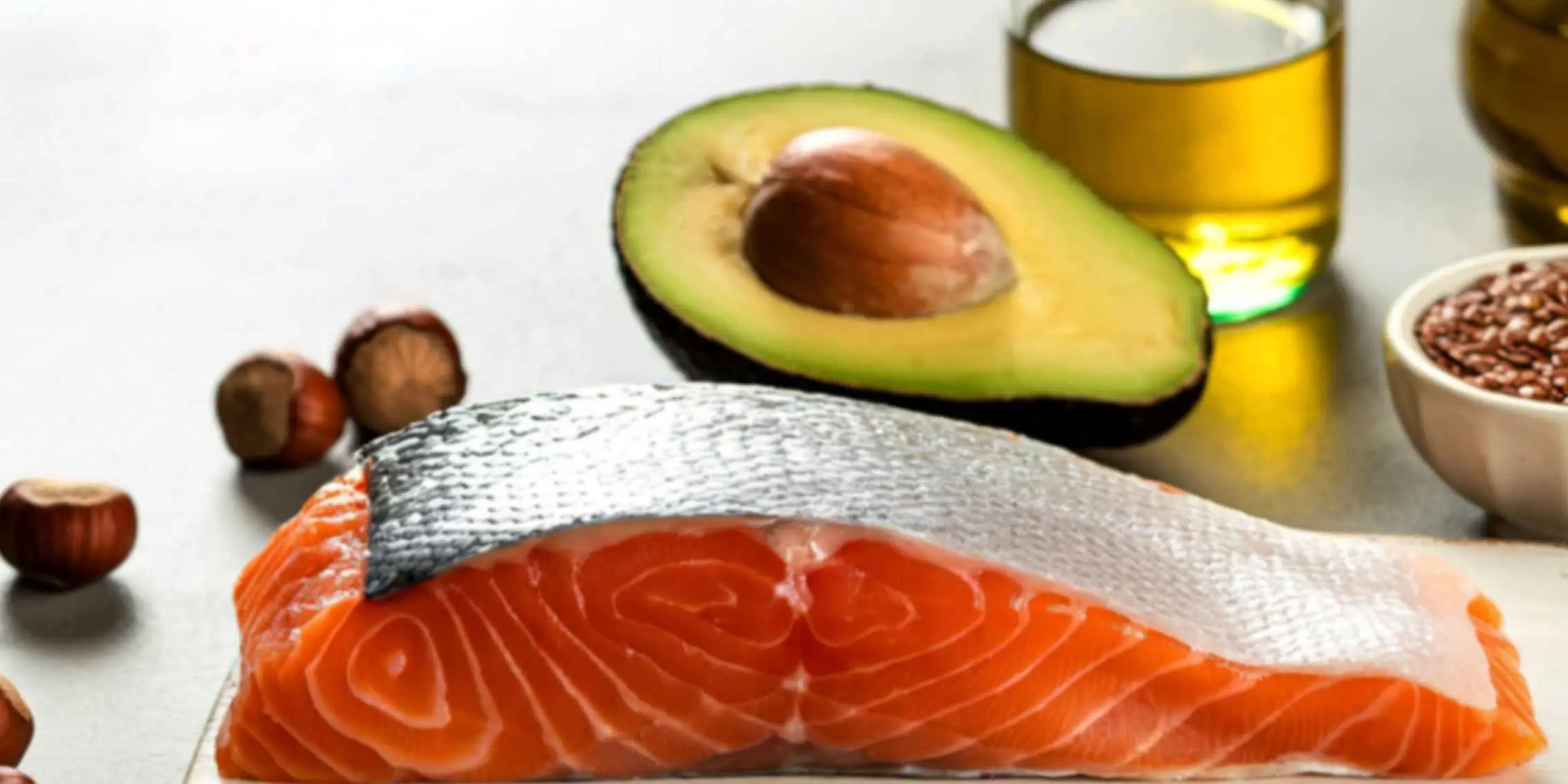
Healthy essential fats (EPA and DHA) found primarily in fatty fish and algae, crucial for brain function, mood regulation, and reducing chronic inflammation.
Ideal For: Women looking to support their mood, combat brain fog, reduce overall inflammation, and address cardiovascular health.
Benefits: Reduces inflammation throughout the body, helping to manage symptoms like joint pain. They are vital for supporting nerve and brain health, improving focus, and stabilising the rapid mood swings common in perimenopause. They also support heart health.
Dosage: Aim for supplements providing a minimum of 1,000mg of combined EPA and DHA daily.
Research: A major 2025 review (Minihane et al.) confirmed Omega-3s as a vital nutrient for brain health during menopause. Data from large studies, like the SWAN study of 3,053 women, showed that the more omega-3s women consumed, the fewer severe depressive symptoms they experienced. This strong link supports taking at least 1,000mg of combined EPA/DHA daily to help stabilise mood, fight brain fog, and calm inflammation.
To learn more about the fascinating science behind hormone health, explore our comprehensive article: Mastering Hormone Balance: Your Complete Guide.
Take this quick perimenopause quiz to identify your most disruptive symptoms and discover which supplements are best for your needs.
A. Multiple times daily. They significantly disrupt my life and sleep.
B. Occasionally, mostly around my period or when I'm stressed.
C. Very rarely, or not at all.
D. My main issue is digestive. I feel constantly bloated.
A. I struggle to fall asleep, and I wake up due to intense anxiety or muscle tension.
B. I wake up in the middle of the night feeling wide awake or restless.
C. I generally sleep well, but I wake up feeling extremely fatigued and drained.
D. My mood swings are intense. One minute I'm fine, the next I'm irritable.
A. I feel fine mentally, but my body feels achy and inflamed.
B. I struggle with persistent low mood, intense irritability, and severe "brain fog."
C. I often feel stressed and overwhelmed, struggling to adapt to minor pressure.
D. I have noticeable bone or joint pain, and I worry about my bone density.
A. Persistent difficulty losing weight, especially around the mid-section.
B. Constant digestive discomfort, tenderness, and noticeable bloating.
C. Irregular cycles, or severe pre-menstrual symptoms (like intense breast tenderness).
D. My biggest physical issue is muscle aches and overall physical tension.
| If most of your answers were… | Your Primary Focus Should Be… | Why This Supplement Helps |
|---|---|---|
| A | Hormone-Supporting Botanicals (Black Cohosh & Red Clover) | These ingredients are scientifically tested to directly target vasomotor symptoms, providing relief from intense heat and sweat. |
| B | Omega-3 Fatty Acids and Vitamin D | These are crucial for brain health and regulating mood stability. They help combat the inflammation and deficiency linked to mood swings and fatigue. |
| C | Adaptogens (Maca Root) | Maca supports the adrenal and endocrine systems, improving your body's resilience to stress, boosting energy, and combating fatigue. |
| D | Magnesium and Metabolic Aids | Magnesium helps relax the smooth muscles of the digestive system, effectively addressing perimenopause bloating and improving sleep quality. |
Understanding the signs of perimenopause and how to use targeted perimenopause supplements empowers you to manage this transition with confidence. By integrating these 7 powerful botanicals, vitamins, and minerals, you address the root causes of imbalance, leading to meaningful symptom relief.
However, supplements are most effective when paired with a strong foundation in perimenopause nutrition, exercise, and stress management.
The Nutrition Institute’s online nutrition course is the perfect way to learn more about nutrition, with dedicated modules on vitamins, minerals, and the mind-body connection. Download our free course guide today and take the next step toward transforming your health.
We reiterate that this guide is for educational purposes. Please consult with your healthcare provider to ensure any supplement choices are appropriate for your individual health status.
Lambert MNT, Lambert C, Drummond S, et al. Combined Red Clover isoflavones and probiotics potently reduce menopausal vasomotor symptoms: a randomized, double-blind, placebo-controlled trial. PLoS ONE. 2017;12(6):e0176590.
Meissner HO, Kapczynski W, Mscisz A, et al. Clinical responses of early-postmenopausal women to Maca (Lepidium meyenii). Int J Biomed Sci. 2006;2(4):338–344.
Thurston RC, Musiol RJ, Kuipers HF, & Barón AE, (SWAN Study). Omega-3 fatty acid intake and depressive symptoms in midlife women: The Study of Women's Health Across the Nation (SWAN). Menopause. 2006;13(4):563-569.
Naseri M, Badrzadeh F, Totonchi M, et al. Comparison of Vitex agnus-castus Extracts with Placebo in Alleviating Menopausal Symptoms: A Randomized Clinical Trial. Iran J Med Sci. 2019;44(6):446-452.
Mei X, Zhu Y, Yang Q, et al. The role of vitamin D in menopausal women's health: A review. J Menopausal Med. 2023;29(1):1-9.
Clinical Trial on Magnesium L-Threonate in Menopausal Women, NCT06959745 (Guangdong Provincial People's Hospital), 2025.
Minihane AM, Maxwell AJ, Carew S, et al. Omega-3 fatty acids, brain health and the menopause. Front Neurosci. 2025;19:1234. doi:10.3389/fnins.2025.01234
This post was created by the team at The Nutrition Institute and supported by our team of professional expert tutors. Meet Kim Malcolm, author of our course and one of our expert student guides below:

Author & Tutor at The Nutrition Institute
A certified nutritionist and global food-as-medicine expert, Kim has an extensive background in private consulting, public speaking, recipe development, and culinary coaching for both individuals and professional kitchens.
Published:


©2026 The Nutrition Institute. All rights reserved.