 Australia
  Canada
  Ireland
  New Zealand
  Philippines
  South Africa
  United Kingdom
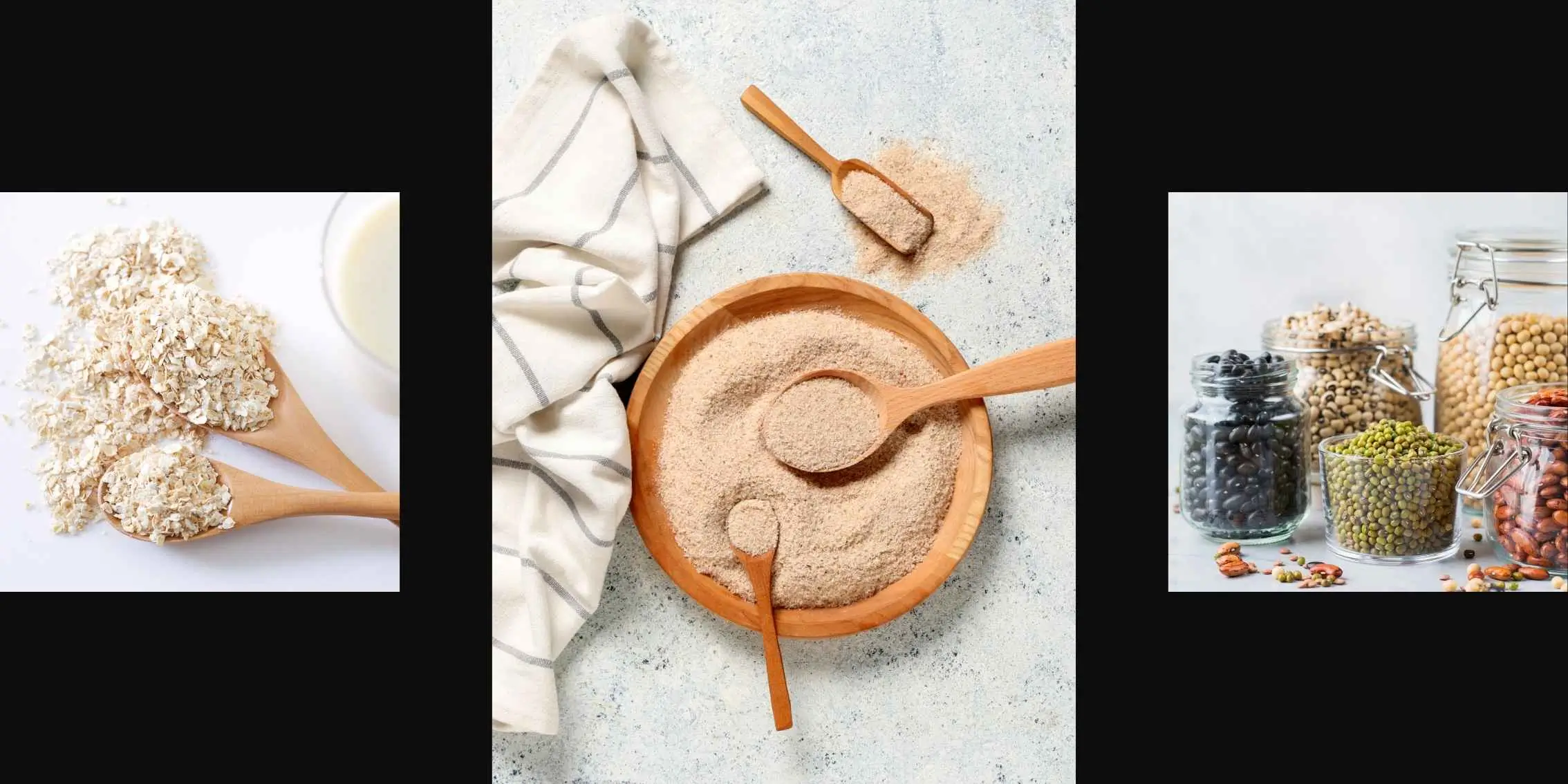
Fiber isn't just roughage. It's a complex chemical instruction for your bacteria. Most people ignore this and end up with a broken digestive system and low energy. In this article, our nutrition tutors share the best fiber supplement to stop the damage and start fueling your system.
In short...
Fiber feeds your beneficial bacteria to keep your gut lining strong, your immunity steady, and your blood sugar stable.
These are the tried‑and‑tested fiber supplements we actually use ourselves and feel confident recommending for better gut health.
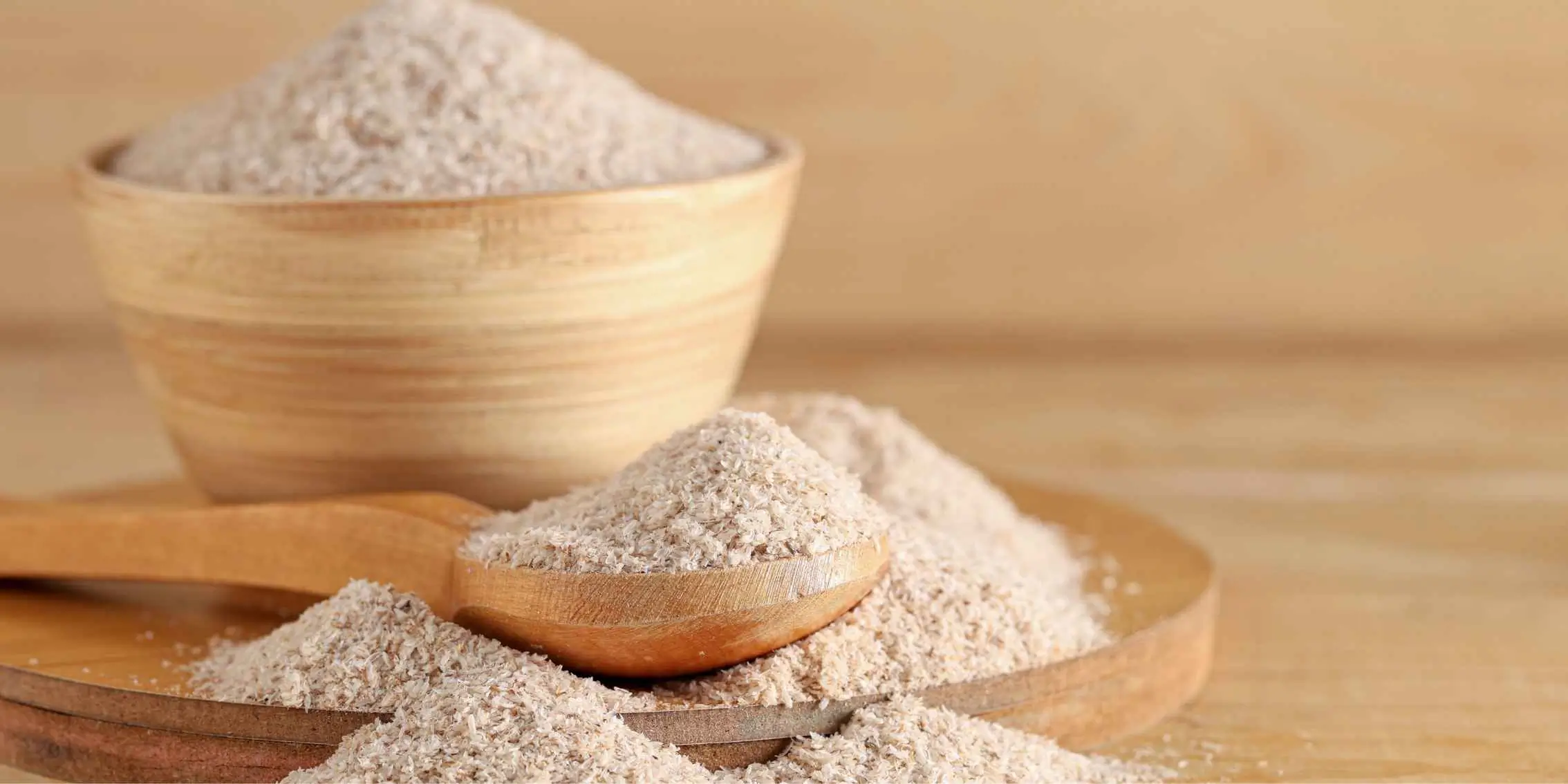
This is often considered the gold standard for fiber psyllium supplements. It's a bulk-forming choice that's excellent for managing both constipation and diarrhea. We recommend it as a top soluble dietary fiber supplement because it forms a thick gel that sweeps through the digestive tract. It's effective but you must drink plenty of water to help it work.
This is a synthetic option that's unique because it doesn't ferment in the gut. It's one of the top fiber supplements for regularity for people who struggle with gas or bloating. It provides the necessary bulk to keep things moving without feeding the bacteria that cause discomfort. It's a reliable choice if you have a very sensitive stomach.
Derived mostly from chicory root, inulin is a powerful prebiotic fiber supplement. It acts as a primary food source for your beneficial gut bacteria. We suggest using it for its role in long-term microbiome support rather than just immediate regularity. Plus, it has a slightly sweet taste that makes it easy to add to foods.
This is a popular soluble fiber supplement because it dissolves completely in water and stays tasteless. It's perfect for people who want to stir their supplement into coffee or tea without changing the texture of the drink. It's a convenient way to increase your daily intake without any grit.
This is one of the best fiber supplements for those with IBS or sensitive digestive systems. It's low-FODMAP and helps regulate the transit time of food through the gut. It won't cause the sudden urgency that some other fiber supplements might trigger. It's a gentle and professional-grade option.
Extracted from the konjac root, this has an incredible ability to absorb water. It's often used for appetite control and blood sugar management. Many consider it to be the best fiber supplement for women who are looking for metabolic support alongside their digestive health goals. It creates a significant sense of fullness.
This is a highly tolerable prebiotic that ferments very slowly in the colon. Acacia Fiber is one of the most gentle gut health supplements available for beginners. It's a great choice if you're worried about the side effects of starting a new fiber routine. It helps build a healthy gut barrier over time.
You can find this in green banana flour or cold cooked potatoes. It passes through the small intestine largely unchanged and ferments in the large intestine. This starch is a top-tier gut health supplement because it produces butyrate. This short-chain fatty acid fuels the cells lining your colon and keeps the gut barrier strong.
Extracted from the bark of the larch tree, this is a sophisticated prebiotic fiber supplement. It increases the levels of beneficial bacteria like Lactobacillus and Bifidobacteria. It's also known for supporting your immune system. It's a technical choice for those wanting to support both their gut and their natural defenses.
This is a classic soluble fiber supplement that often gets overlooked. It helps manage cholesterol by binding to bile acids in the digestive tract. Apple Pectin is a gentle option that also supports healthy blood sugar levels by slowing down the digestion of starches. It's a great whole-food extract.
This comes from the African Tree of Life and acts as a high-potency soluble dietary fiber supplement. It's unique because it also contains high levels of Vitamin C and potassium. It's a whole-food choice that's very easy to stir into smoothies. It adds a slight tang without overpowering other flavors.
You likely know oats are healthy, but the isolated fiber is a powerful tool for metabolic health. It's an effective soluble fiber supplement for managing cholesterol levels. Oat Beta-Glucan creates a thick gel in the gut that slows down the absorption of carbohydrates. It keeps you feeling full and satisfied for longer.
These are some of the most heavily researched prebiotics on the market. They’re exceptionally effective at increasing the levels of Bifidobacteria in your gut. They are often found in high-end gut health supplements because they're very stable. They don't cause as much gas as other prebiotic types which makes them easier to tolerate.
Follow these expert steps to get the most out of your new routine while keeping your gut happy.
This table uses psyllium husk as an example to plan the gentle 3-week ramp-up your gut needs to avoid bloating and get those regularity perks.
| Week | Dose Example (Psyllium) | Water per Dose | Expected Adaptation |
|---|---|---|---|
| 1 | 3 to 5g once daily | 350ml | Mild fullness |
| 2 | 5 to 7g 1 to 2x daily | 350 to 500ml | Reduced gas |
| 3+ | 10g+ split doses | 500ml+ | Optimal regularity |
Irregularity and persistent bloating are the most common signs of a fiber deficiency. You might also notice that you feel hungry shortly after eating or experience sudden energy crashes because your blood sugar isn't stable.
Taking fiber supplements is worth it if you struggle to reach the daily target of 25 to 30g through food alone. They provide a reliable way to support your microbiome and manage your long-term metabolic health.
You can get 100% of your daily fiber by combining high-fiber whole foods with a strategic supplement to fill the remaining gap. Focus on eating plenty of legumes and berries while using a soluble dietary fiber supplement for consistency.
Legumes, seeds, and whole grains are the best foods high in dietary fiber. You can easily boost your intake by adding lentils to soups or stirring chia seeds into your morning bowl of Greek yogurt.
The best form of fiber supplement depends on your specific digestive goals and sensitivities. Psyllium husk is the gold standard for regularity, while PHGG is often the best choice for those with sensitive stomachs or IBS.
Prebiotics and probiotics are the best gut health supplements for building a thriving internal ecosystem. These work together to feed your beneficial bacteria and strengthen the protective lining that keeps your colon healthy.
GOS and inulin are widely considered the best prebiotic fiber because they specifically target and feed beneficial Bifidobacteria. They help your microbiome thrive by providing the exact type of fuel your good gut bugs need.
If you've made it this far, you care more about your health than most. So why not turn that passion into a thriving career or better health for yourself and your family? The Nutrition Institute is home to a global community of like-minded health and wellness enthusiasts and professionals dedicated to wellbeing. Across the 12 modules in our online nutrition course, you'll master nutrition fundamentals and be able to apply them in everyday life. Get a head start with support from expert tutors and a global peer network. Download our free course guide today to start your learning journey.
This post was created by the team at The Nutrition Institute and supported by our team of professional expert tutors. Meet Aliz Toth, one of our expert student guides below:

Tutor at The Nutrition Institute
Driven by her personal experience with "food as medicine," Aliz leverages her Bachelor’s in Dietetic Medicine and Master’s in Human Nutrition to provide others with evidence-based, up-to-date nutritional education.
Published:






©2026 The Nutrition Institute. All rights reserved.