 Australia
  Canada
  Ireland
  New Zealand
  Philippines
  South Africa
  United Kingdom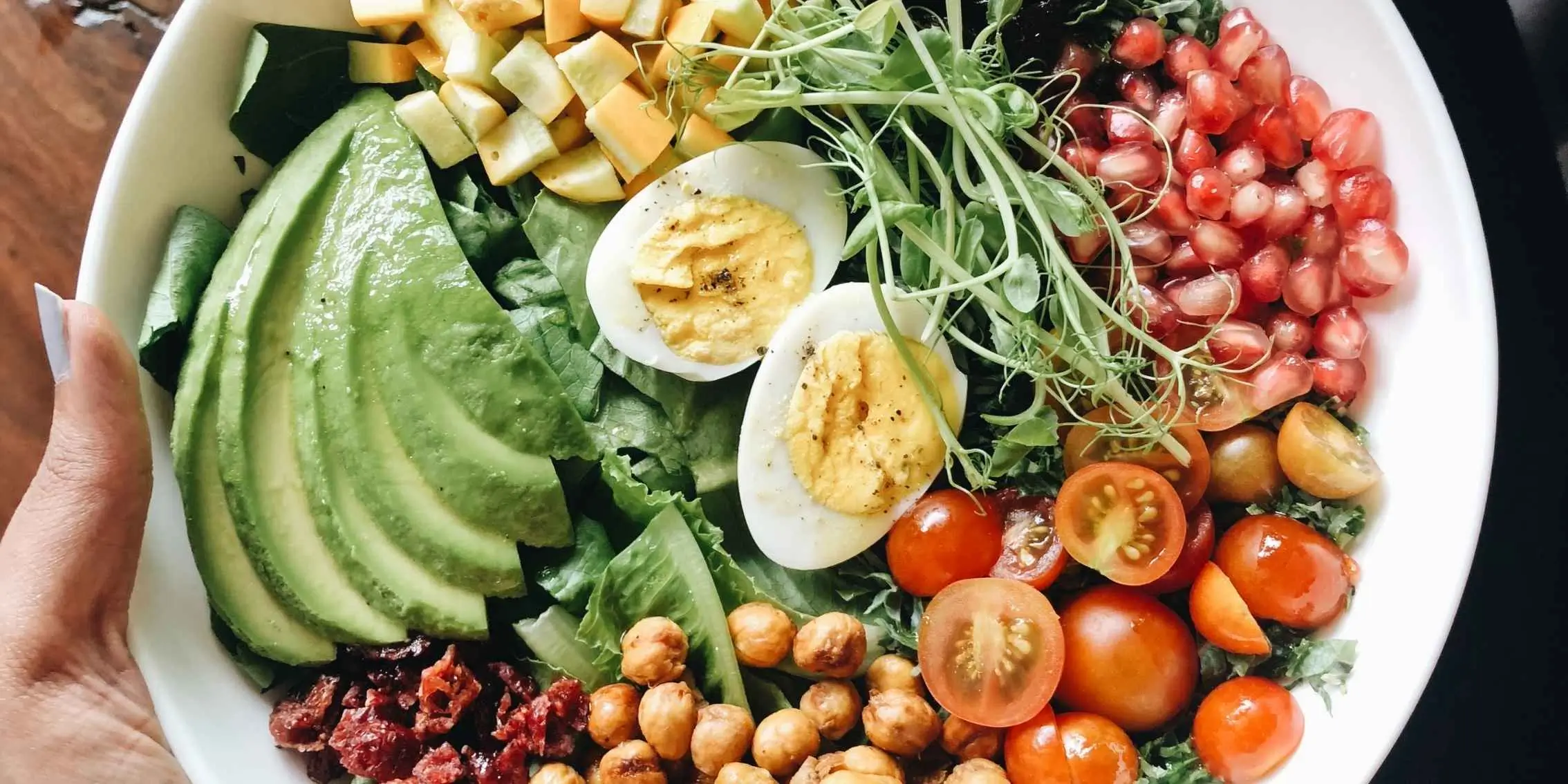
Blood sugar spikes are the hidden cause of your afternoon energy crashes and brain fog. Understanding how to use low glycemic index foods is the simplest way to regain control over your metabolic health.
We’ll show you how to identify the right carbohydrates to keep your energy levels steady and your cravings at bay.
In short…
We explore the complex relationship between insulin and nutrition in our online nutrition course. It’s the foundation of personal wellness and professional health coaching.
The Glycemic Index ranks carbohydrates on a scale of 0 to 100 based on how quickly they raise your blood sugar. Low GI foods are those with a score of 55 or less. While GI tells you how fast a carb spikes your sugar, Glycemic Load (GL) tells you how much of that carb is in a typical serving.
Experts use the GL formula to get a more accurate picture of a meal's impact. Use this simple math: GL = (GI × carbs in grams) / 100. For example, an apple has a GI of 40 and 15g of carbs, giving it a low GL of 6. A small potato has a GI of 80 and 15g of carbs, resulting in a much higher GL of 12. You can find specific data for thousands of items on the Sydney University GI database.
Use this quick-look table to identify the GI scores and portion sizes of common everyday foods.
| Food Item | Glycemic Index (GI) | Typical Portion | Category |
|---|---|---|---|
| Broccoli | 15 | 80g (1 cup) | Very Low |
| Cherries | 22 | 10-12 cherries | Low |
| Red Lentils | 26 | 150g (cooked) | Low |
| Skim Milk | 32 | 250ml (1 cup) | Low |
| Apples | 39 | 1 medium | Low |
| Pearled Barley | 28 | 150g (cooked) | Low |
| Quinoa | 53 | 150g (cooked) | Low |
| Sweet Potato | 54 | 150g (boiled) | Low |
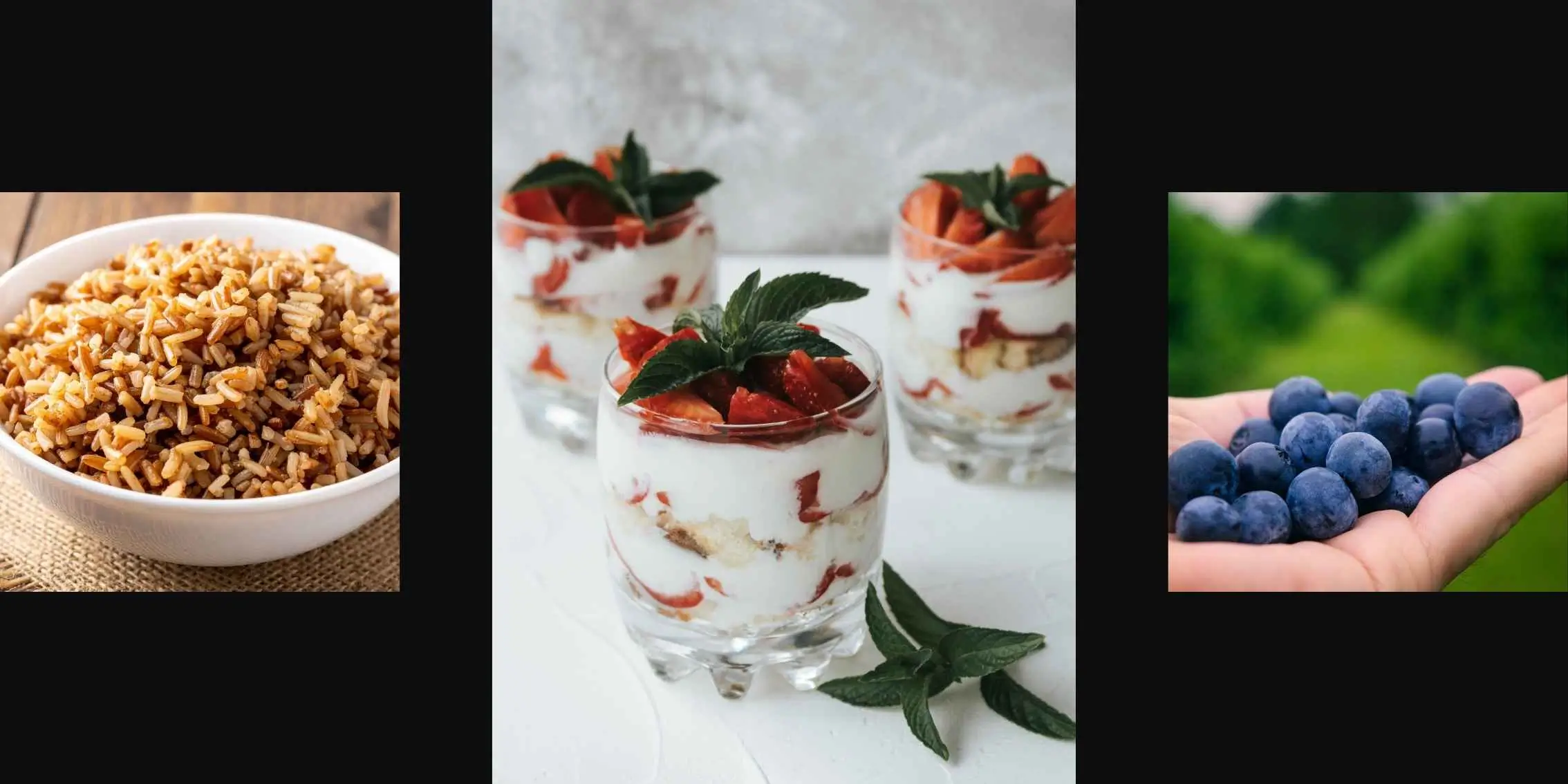
| Brown Rice | 50 | 150g (cooked) | Low |
| Peanuts | 7 | 30g (handful) | Very Low |
| Rolled Oats | 55 | 50g (dry) | Low |
| Oranges | 43 | 1 medium | Low |
| Chickpeas | 28 | 150g (cooked) | Low |
| Carrots (raw) | 16 | 1 medium | Very Low |
| Spinach | 15 | 30g (1 cup raw) | Very Low |
| Blueberries | 53 | 75g (1/2 cup) | Low |
| Greek Yogurt | 12 | 200g (1 tub) | Very Low |
| Hummus | 6 | 30g (2 tbsp) | Very Low |
| Wholemeal Bread | 54 | 1 slice (35g) | Low |
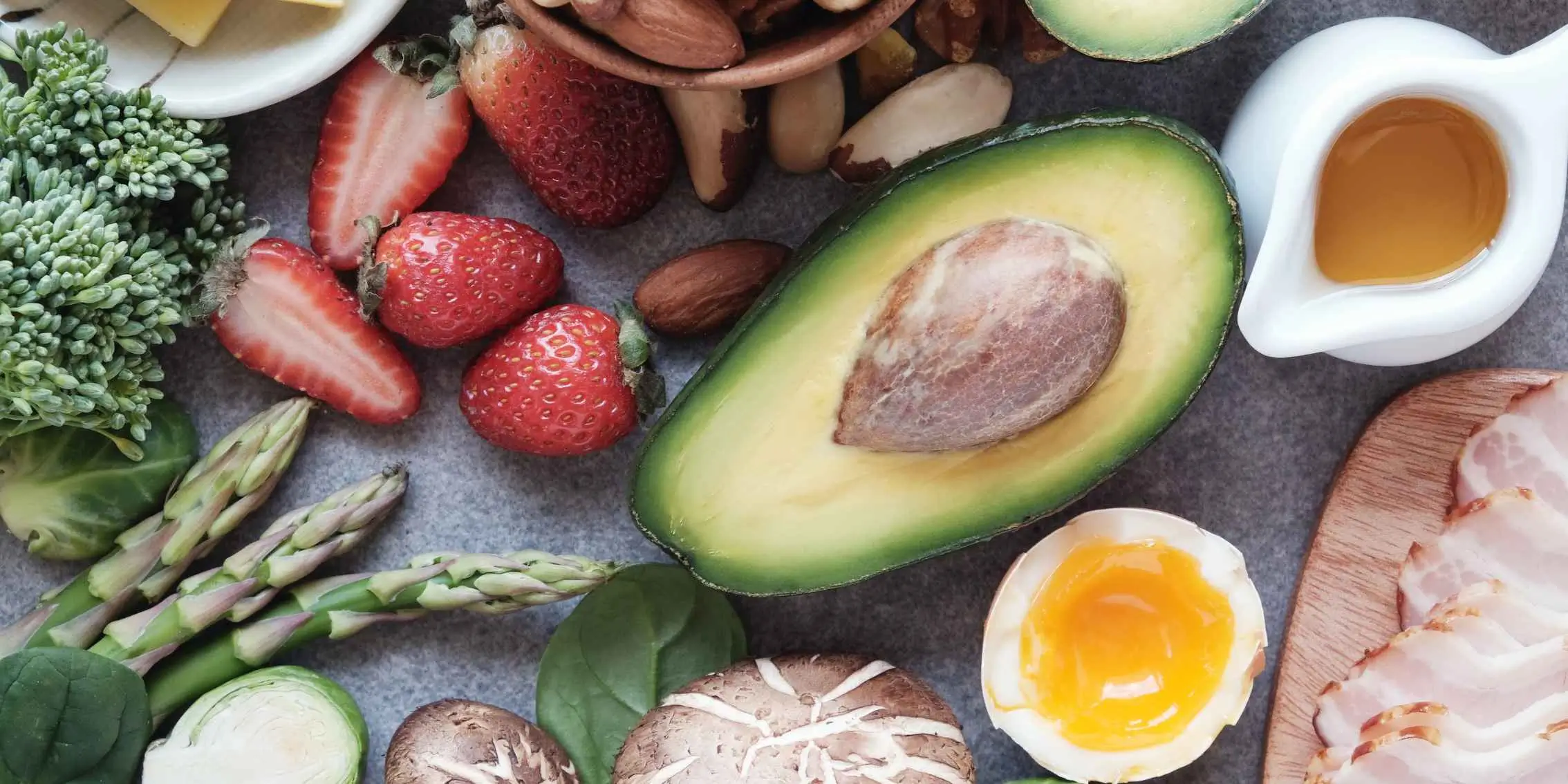
| Avocado | 15 | 1/2 medium | Very Low |
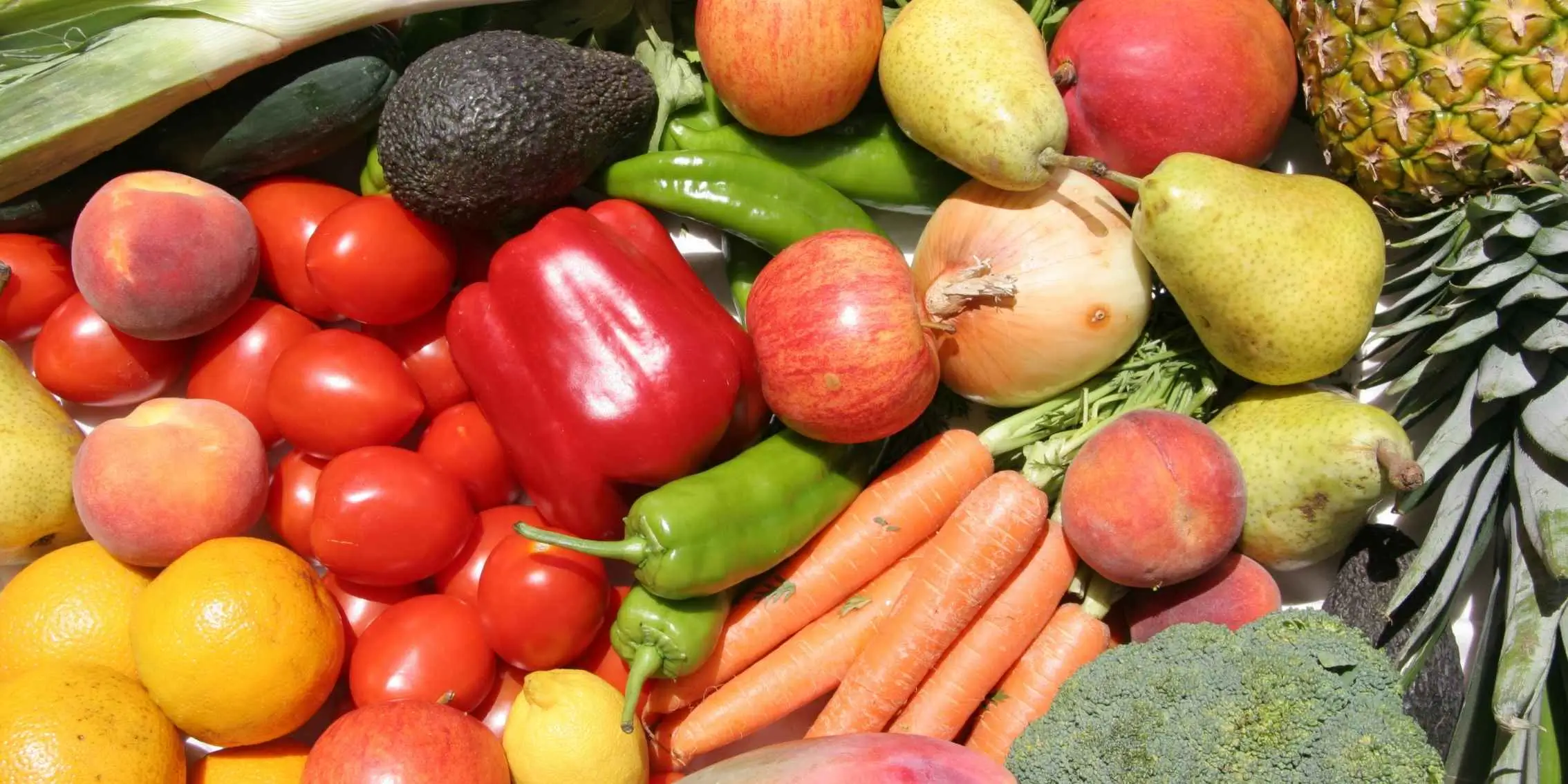
This list of low GI foods helps you swap out high-spike refined carbs for slow-burn alternatives.
Most non-starchy vegetables sit at the bottom of the scale.
Don't fear fruit sugar. Many options are low GI fruit because their fiber content buffers the fructose.
Stable energy depends on picking the right low GI carbohydrates.
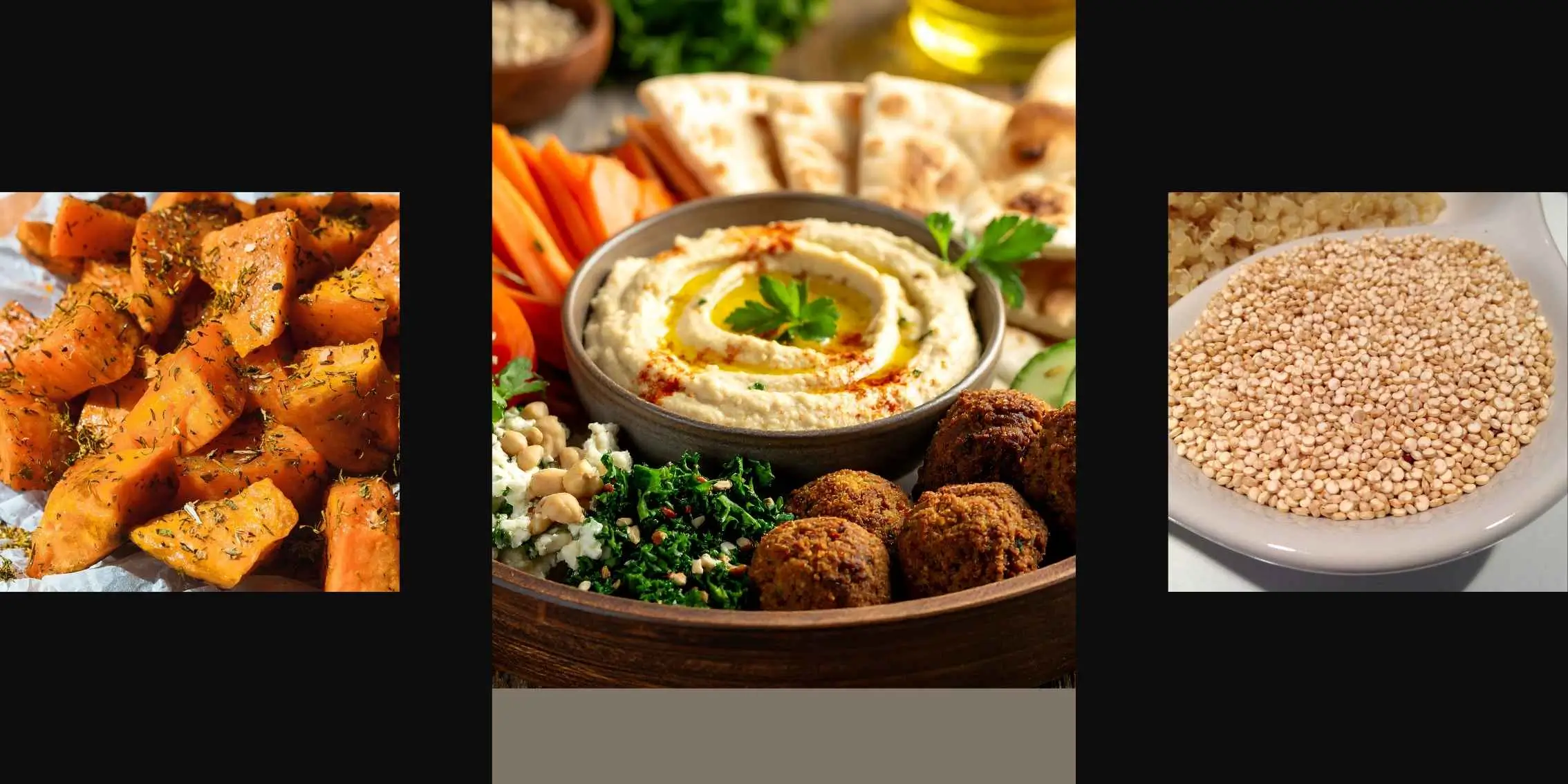
Managing your blood sugar is a critical tool for specific health goals and long-term wellness.
Using low GI foods strategies helps manage insulin sensitivity. A meta-analysis of clinical trials showed that a low GI diet can lead to a 0.43% drop in A1C levels. This is a key marker for long-term glucose control. Steady glucose levels reduce the strain on your pancreas and make daily management predictable.
A 2007 study found low-GI diets reduced acne lesions compared to regular diets. How? They reduce insulin spikes, the main trigger for excess oil (sebum) and hormones that cause breakouts. High-GI foods fuel this cycle through inflammation. Switching to low-GI often clears skin in weeks by cutting that hormonal trigger.
Low-GI diets cut LDL cholesterol and help to shed more body fat than regular diets. They keep you full longer by skipping insulin spikes that trigger hunger, plus their fiber traps cholesterol in your gut, forcing your body to burn more to replace it.
This plan targets roughly 150g of carbs per day to keep your energy levels consistent.
Day 1: Breakfast: Rolled oats with blueberries and chia seeds (35g). Lunch: Quinoa salad (40g). Dinner: Baked salmon with broccoli (5g). Snack: Greek yogurt with walnuts (15g). Total: 95g Carbs
Day 2: Breakfast: Poached eggs on rye toast (25g). Lunch: Lentil soup with wholemeal bread (45g). Dinner: Chicken stir-fry with peppers (10g). Snack: One apple with almond butter (20g). Total: 100g Carbs
Day 3: Breakfast: Greek yogurt with raspberries (15g). Lunch: Chickpea and spinach salad (30g). Dinner: Grilled steak with sweet potato (40g). Snack: Hummus with carrot sticks (15g). Total: 100g Carbs
Day 4: Breakfast: Steel-cut oats with cinnamon (30g). Lunch: Tuna salad with avocado (5g). Dinner: Tofu and broccoli stir-fry with barley (50g). Snack: A handful of cherries (15g). Total: 100g Carbs
Day 5: Breakfast: Omelette with spinach and tomatoes (5g). Lunch: Quinoa and black bean bowl (45g). Dinner: Roast chicken with roasted carrots (15g). Snack: Pear with a few almonds (25g). Total: 90g Carbs
Day 6: Breakfast: Buckwheat pancakes with berries (40g). Lunch: Turkey wrap with lots of greens (30g). Dinner: Baked cod with asparagus (5g). Snack: Cottage cheese and seeds (10g). Total: 85g Carbs
Day 7: Breakfast: Chia seed pudding with blueberries (20g). Lunch: Barley and vegetable soup (45g). Dinner: Beef and broccoli over brown rice (45g). Snack: One orange (15g). Total: 125g Carbs.
These low GI diet snacks keep you full without the sugar crash.
Use this quick-reference list to fill your trolley with metabolism-friendly fuels.
VEGETABLES (GI<20): Broccoli, spinach, kale, peppers, raw carrots.
FRUIT (GI<55): Berries, apples, pears, oranges, cherries.
GRAINS (GI<55): Steel-cut oats, quinoa, barley, sweet potato.
SNACKS: Almonds, Greek yogurt, hummus.
Frozen over canned: Choose frozen vegetables over canned varieties whenever possible. They often undergo less processing and retain more of the fiber structure that keeps the GI score low.
The "Halo" Effect: Just because a food is low GI doesn't mean it's healthy. A chocolate bar might have a lower GI than a watermelon due to its fat content but it's still low in nutrients.
Overcooking pasta: Cooking pasta until it's soft increases its GI score. Keep it al dente to preserve the starch structure.
Liquid calories: Juicing low GI fruit removes the fiber and turns a slow-burn snack into a high-spike drink.
Stabilizing your blood sugar with smart low GI swaps is the best way to regain control over your energy and metabolic health.
Our online nutrition course provides the technical edge to turn this knowledge into a professional career. In Module 2, Carbohydrates, you'll master simple and complex structures to understand which sources are truly life-giving for the body.
Download our free course guide today to see how you can turn your passion for health into a certified qualification.
The Glycemic Index (GI) tells you how fast a carbohydrate raises your blood sugar. The Glycemic Load (GL) takes the portion size into account. For example, an apple has a GI of 40 and 15g of carbs which gives it a low GL of 6. A small potato has a GI of 80 and 15g of carbs resulting in a much higher GL of 12.
No. Tropical fruits like pineapple and watermelon have a high GI score. Stick to berries and citrus for the most stable blood sugar response. We explore these differences in depth throughout the modules of our course.
Yes. Replacing refined white bread and rice with low GI whole grains is a great way to improve your metabolic health. It prevents the insulin spikes that lead to fatigue. Module 7 provides the technical framework for these swaps.
They keep you feeling full for longer. By avoiding the insulin spikes that trigger hunger, you'll naturally find it easier to manage your calorie intake. This science of satiety is a core pillar of our professional training.
Potatoes contain rapidly digested starches that spike blood sugar quickly. You can lower the impact by choosing sweet potatoes or allowing cooked white potatoes to cool. This process creates resistant starch which is a focus of our digestive health studies.
Yes. Focus on low GI whole grains and legumes like lentils and chickpeas for your protein and carb sources. These plant-based options provide the fiber needed to buffer glucose absorption.
This post was created by the team at The Nutrition Institute and supported by our team of professional expert tutors. Meet Aliz Toth, one of our expert student guides below:

Tutor at The Nutrition Institute
Driven by her personal experience with "food as medicine," Aliz leverages her Bachelor’s in Dietetic Medicine and Master’s in Human Nutrition to provide others with evidence-based, up-to-date nutritional education.
Published:






©2026 The Nutrition Institute. All rights reserved.