 Australia
  Canada
  Ireland
  New Zealand
  Philippines
  South Africa
  United States
Your body is home to trillions of bacteria that influence everything from your mood to your metabolism. For women, this internal ecosystem is particularly dynamic because it shifts alongside our hormonal cycles. Most people think a women's probiotic is just for digestion, but the right strains can actually support your reproductive health and immunity. We’ve analysed the latest clinical data to help you find the best probiotics for women to suit your specific needs.
In short…
Master the science behind women’s probiotics and start your career with our online nutrition course.
Men and women share many of the same gut bacteria, but women's probiotics must address a second, equally important ecosystem: the vaginal microbiome. This area requires a delicate acidic balance to stay healthy. When this balance is disrupted by stress, diet, or antibiotics, it can lead to yeast overgrowth or bacterial imbalances. Using the best women's probiotic helps restore this natural protective barrier by producing lactic acid.
Intimate health is often the first sign that your microbiome is out of balance. In one clinical study, women taking specific Lactobacillus probiotics saw their vaginal “Nugent score” (a lab measure of bacterial imbalance) drop from the high BV range (around 8–9) down to the normal range of 0–3, showing a much healthier vaginal flora.
In practical terms, this means the right probiotics can help your vagina stay in its “natural protective state” with more of the friendly Lactobacillus bacteria and less of the ones that cause BV and other infections.
| How it Helps | What to Look For | Where to Find It |
|---|---|---|
| Vaginal Flora | Lactobacillus crispatus CTV‑05 | Vaginal Lactobacillus probiotic, typically obtained through a women’s‑health clinic or specialist. |
| Vaginal pH & BV | L. rhamnosus GR‑1 + L. reuteri RC‑14 | Women’s probiotic capsule for vaginal health, available online or in health‑food stores. |
| UTI Prevention | L. rhamnosus GR‑1 + L. reuteri RC‑14 | UTI‑support probiotic with D‑mannose, found in pharmacies or vitamin shops. |
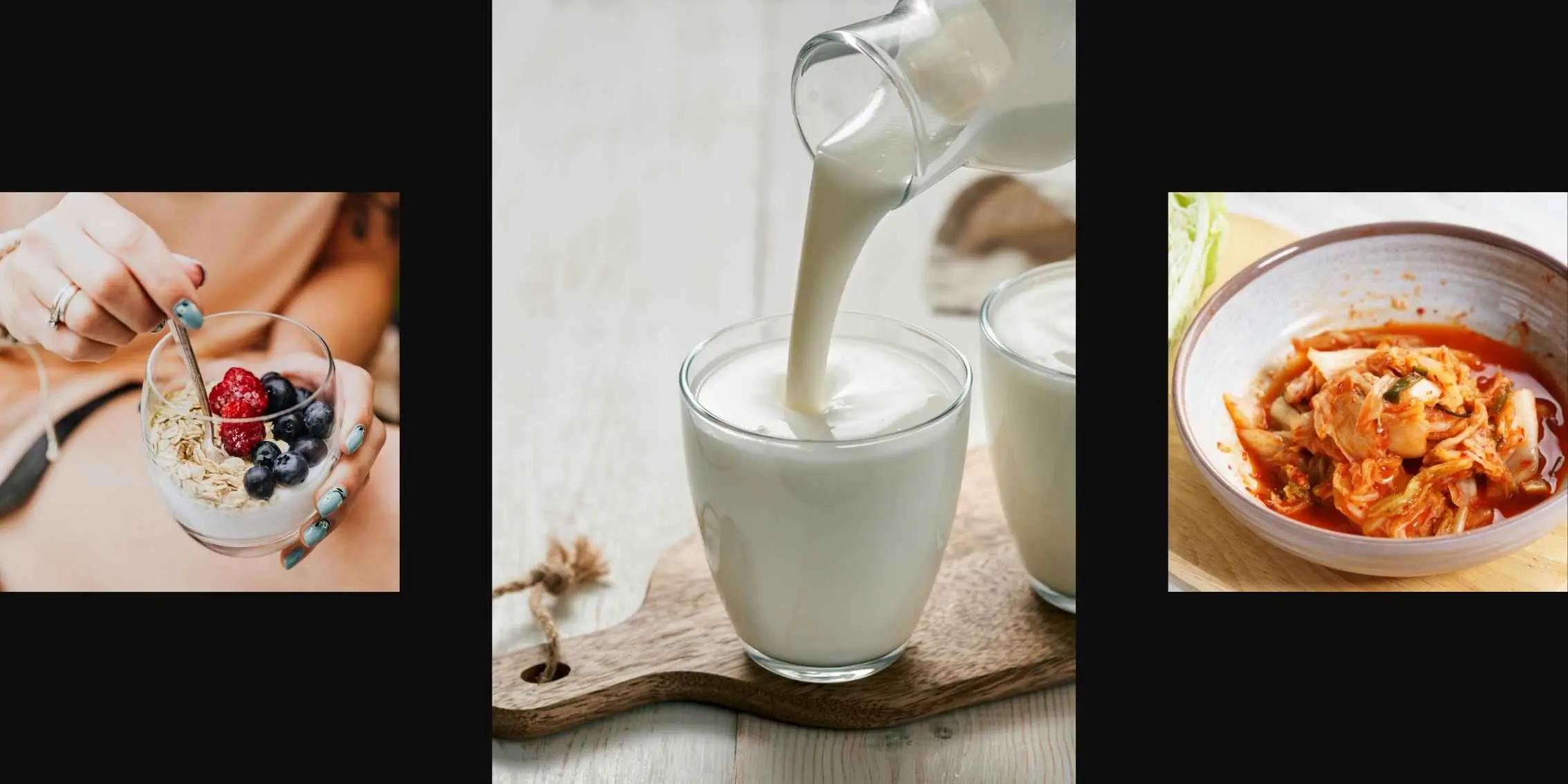
Food Focus: Eat plain unsweetened yoghurt or kefir containing live Lactobacillus strains from the cold section. Use these as a daily food to support your background levels. Also, try fermented vegetables like sauerkraut or kimchi stored refrigerated and labelled with "live cultures."
Hormonal changes each month can slow your digestion, but reviews of probiotic studies show that the right strains can noticeably reduce bloating, gas, and tummy pain compared with no treatment, with many people feeling better after a few weeks of daily use.
In women, multi‑strain probiotics with Lactobacillus and Bifidobacterium seem to help steady digestion and calm inflammation, which can smooth out those hormone‑linked gut ups and downs. In simple terms, if your digestion gets worse around your cycle, a targeted probiotic isn’t a magic fix, but it can help make those monthly “bloat days” less intense.
| How it Helps | What to Look For | Where to Find It |
|---|---|---|
| Bloating & IBS | Bifidobacterium infantis 35624 | IBS‑relief probiotic capsule, available in pharmacies. |
| Sluggish Digestion | L. plantarum + B. lactis | Broad‑spectrum “Digestive Support” probiotic formula. |
| Post‑Meal Support | L. casei + B. lactis | Probiotic powders or capsules taken with or after meals. |
Food Focus: Try non-dairy fermented drinks like kombucha with live cultures if you are sensitive to dairy. Start with small servings if you feel gassy. For sluggish digestion, add miso or tempeh to your meals to introduce live microbes.
The "estrobolome" is the group of gut bacteria that help your body process and balance estrogen. If your gut is off‑kilter, these microbes can struggle to clear extra estrogen, which may make PMS worse or menopause feel harder. In one study, a specific probiotic improved vaginal health scores by about 50% in postmenopausal women, suggesting that nurturing your gut can also support vaginal comfort and tissue health through menopause.
| How it Helps | What to Look For | Where to Find It |
|---|---|---|
| Estrogen Metabolism | B. longum + B. bifidum | High‑CFU multi‑strain probiotic with at least 10 billion CFU per day |
| Menopause Support | L. rhamnosus + L. reuteri + L. acidophilus | “Women’s 40+” or menopause‑specific probiotic formulas |
| Mood, PMS & Serotonin | B. longum + L. helveticus | “Psychobiotic” or mood‑support probiotic brands (online or pharmacy) |
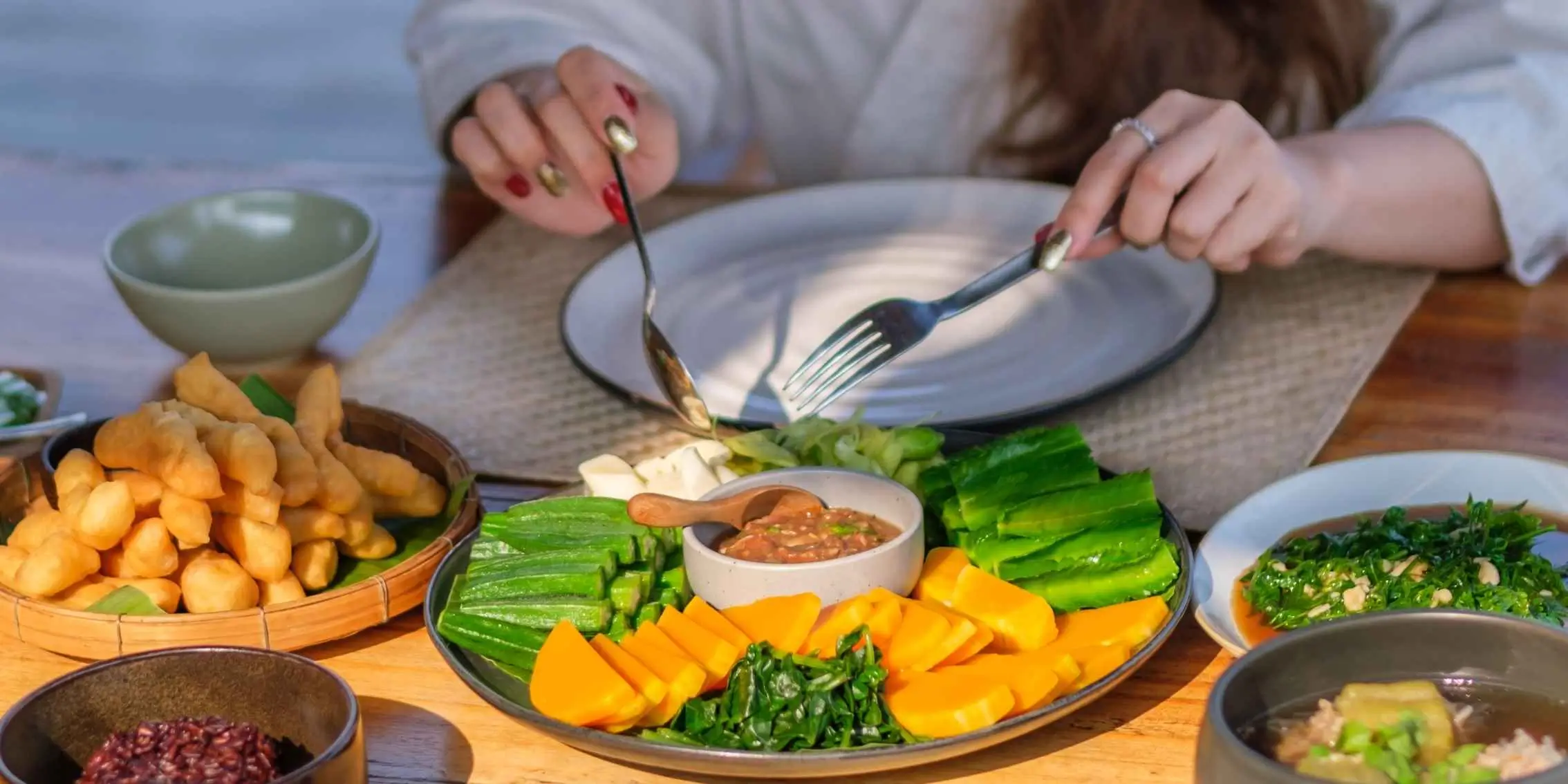
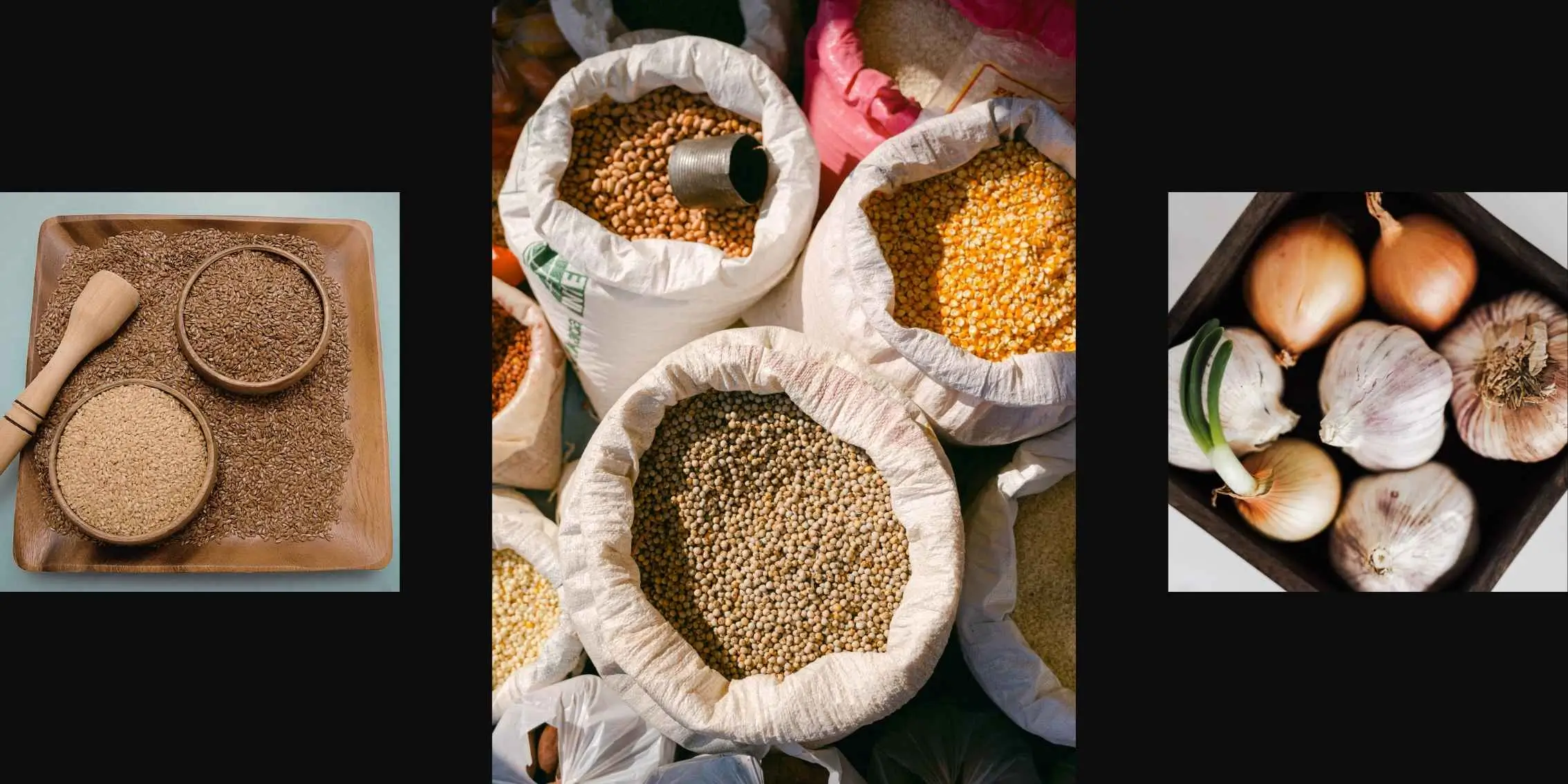
Food Focus: Eat fibre-rich foods like oats, legumes, and ground flaxseeds daily. Combine these with prebiotic fibres like onions and garlic to feed the serotonin-linked microbes in your gut.
Pregnancy causes massive shifts in maternal gut health. Probiotics can assist with prenatal constipation and help strengthen the baby’s starting microbiome.
| How it Helps | What to Look For | Where to Find It |
|---|---|---|
| Pregnancy Safety | Lactobacillus rhamnosus GG | Single‑strain “GG” probiotic or pregnancy‑specific formulas |
| Maternal Support | L. acidophilus La‑5 + B. lactis BB‑12 | High‑quality prenatal or pregnancy‑support probiotics |
| Morning Sickness | Multi‑strain Lactobacillus blends | Pasteurised kefir or targeted probiotic capsules for morning sickness |
Food Focus: Stick to pasteurised yoghurt and kefir from the chilled aisle. Avoid unpasteurised ferments during pregnancy to ensure safety.
Our online nutrition course turns your interest in wellbeing into professional skills. You'll build the foundations to create health plans based on evidence. In Module 1, you'll master how your body converts food to fuel and master the microbiome. Plus, you'll see how the gut-brain axis and neurotransmitters like serotonin impact your mood.
Whether you're starting a consultancy or learning for yourself, this course gives you the tools to trust your nutrition knowledge. Download our free course guide to see where your passion for health could take you. Career move or personal gain, the choice is yours.
This post was created by the team at The Nutrition Institute and supported by our team of professional expert tutors. Meet Aliz Toth, one of our expert student guides below:

Tutor at The Nutrition Institute
Driven by her personal experience with "food as medicine," Aliz leverages her Bachelor’s in Dietetic Medicine and Master’s in Human Nutrition to provide others with evidence-based, up-to-date nutritional education.
Published:






©2026 The Nutrition Institute. All rights reserved.